
Last updated October 16, 2026
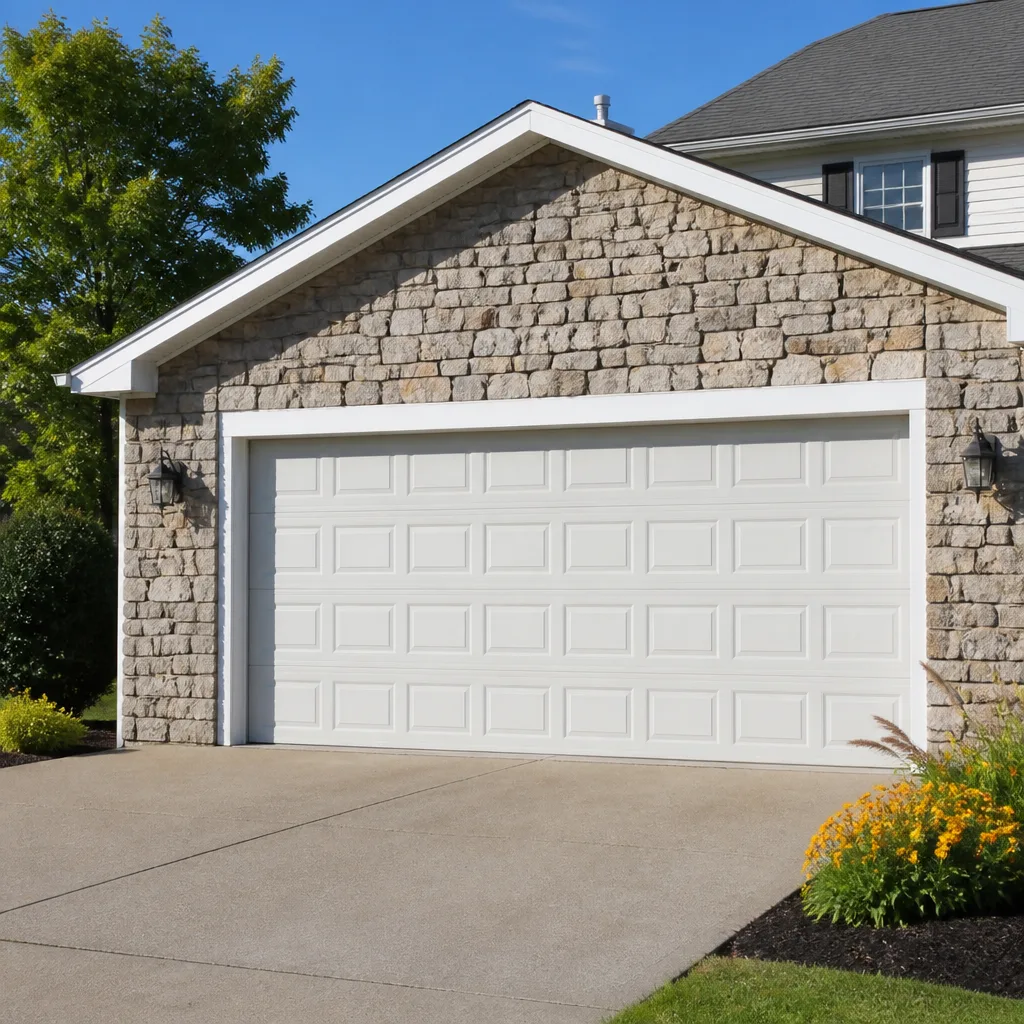 Raised-panel steel
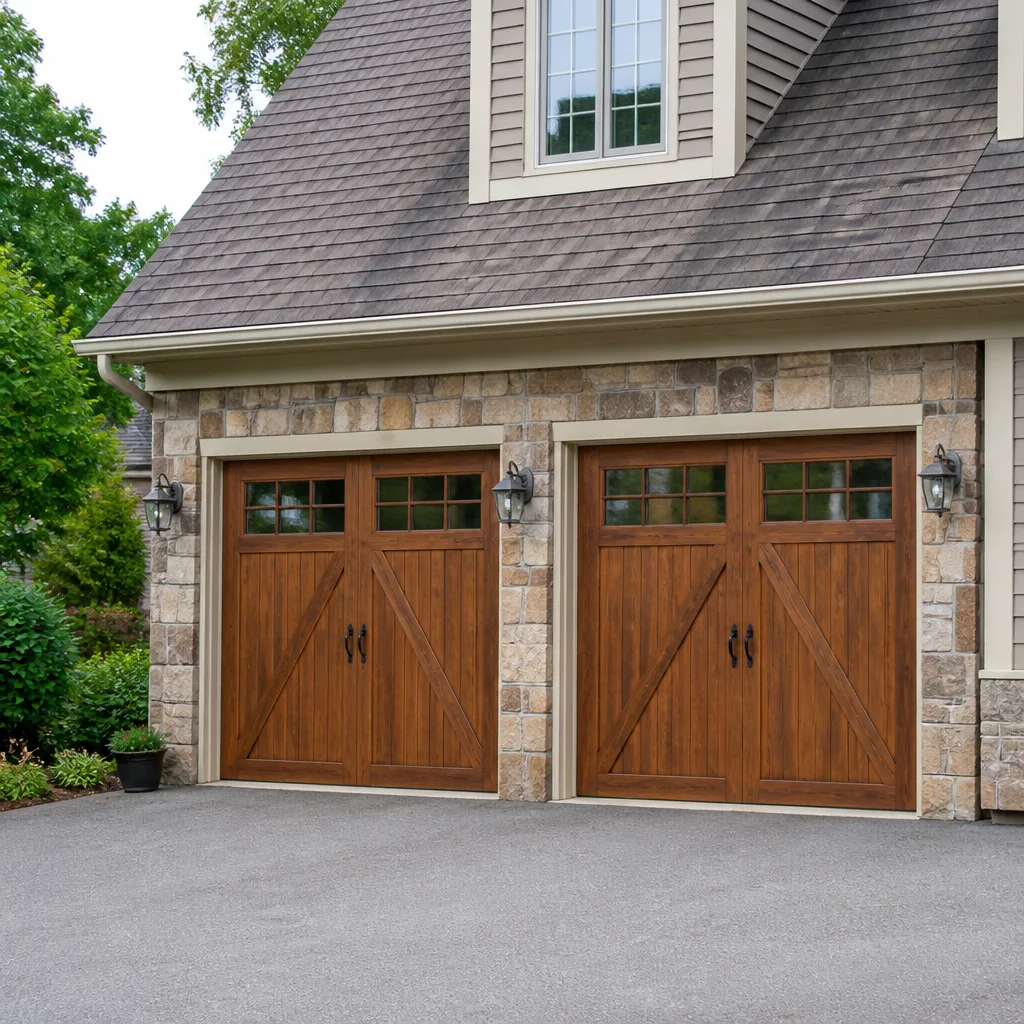 Carriage house
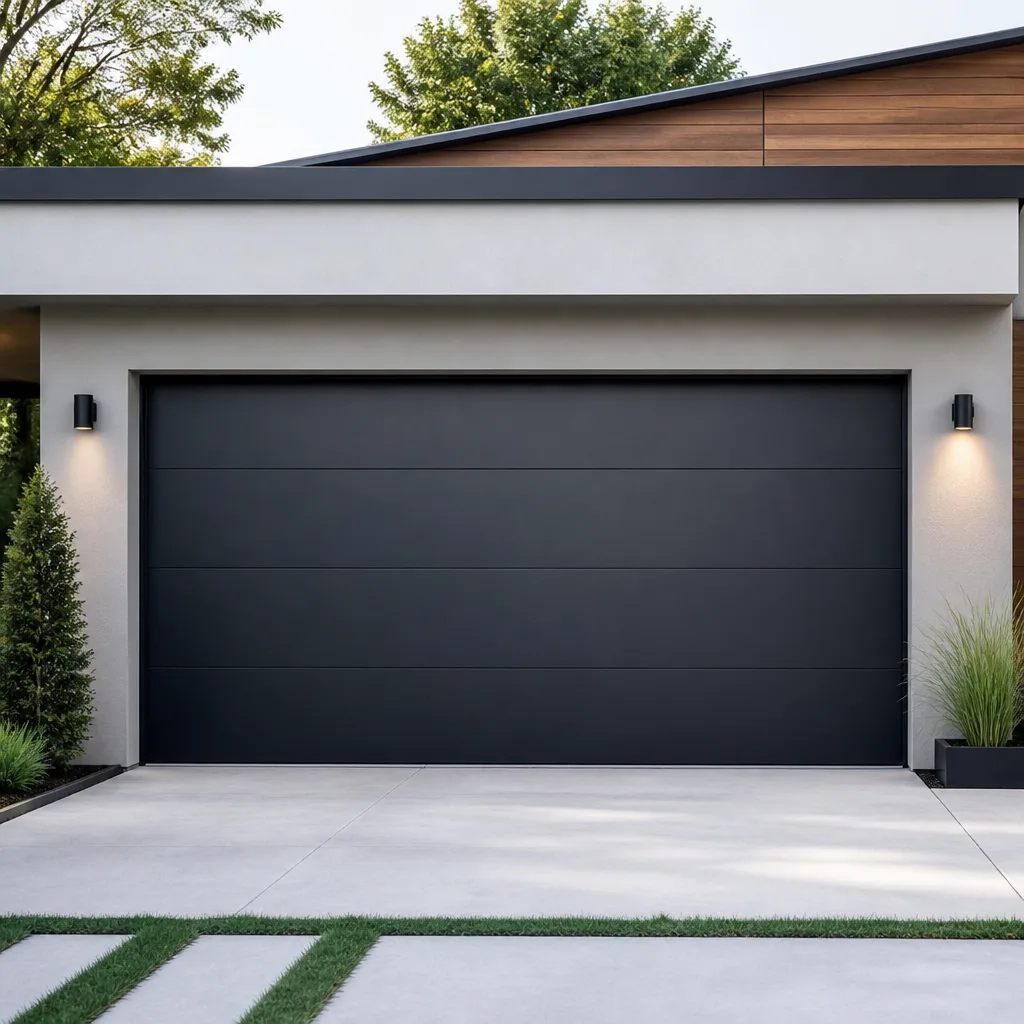 Modern flush
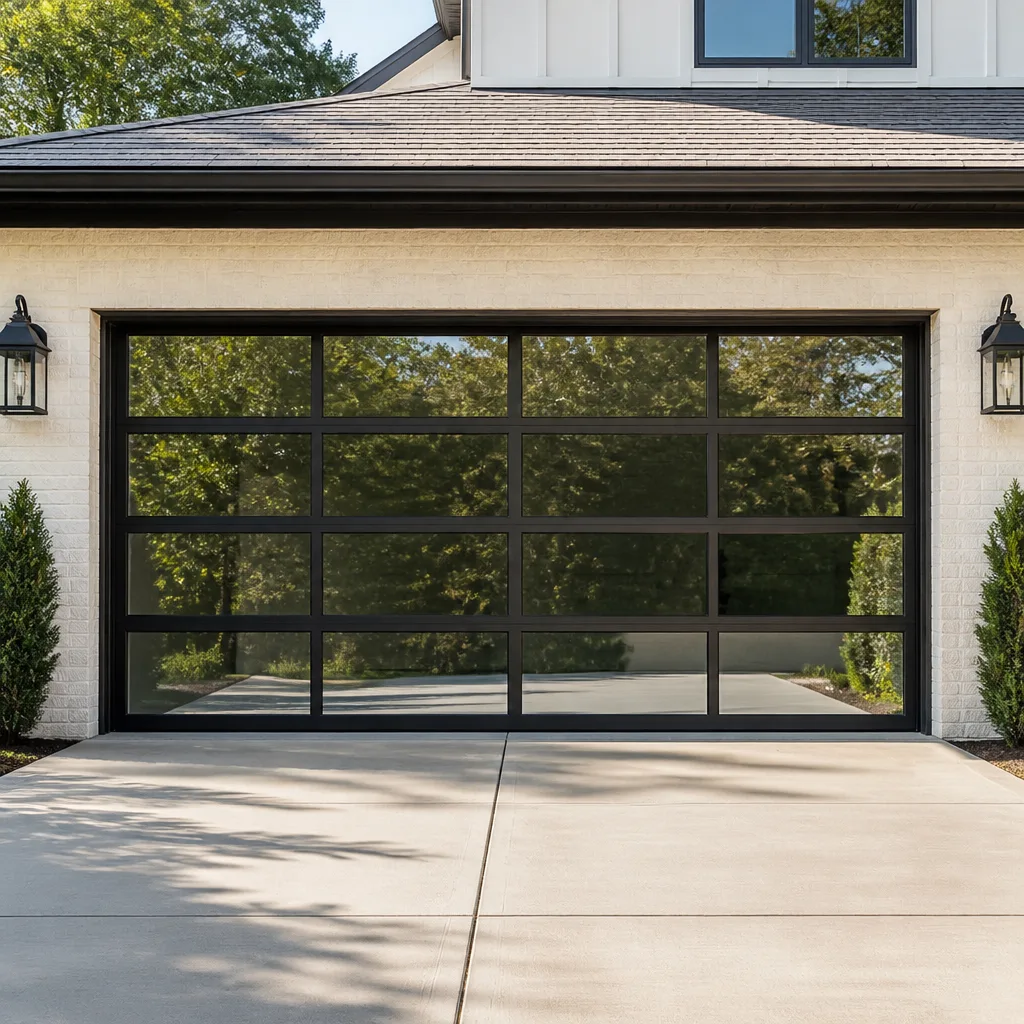 Full-view glass
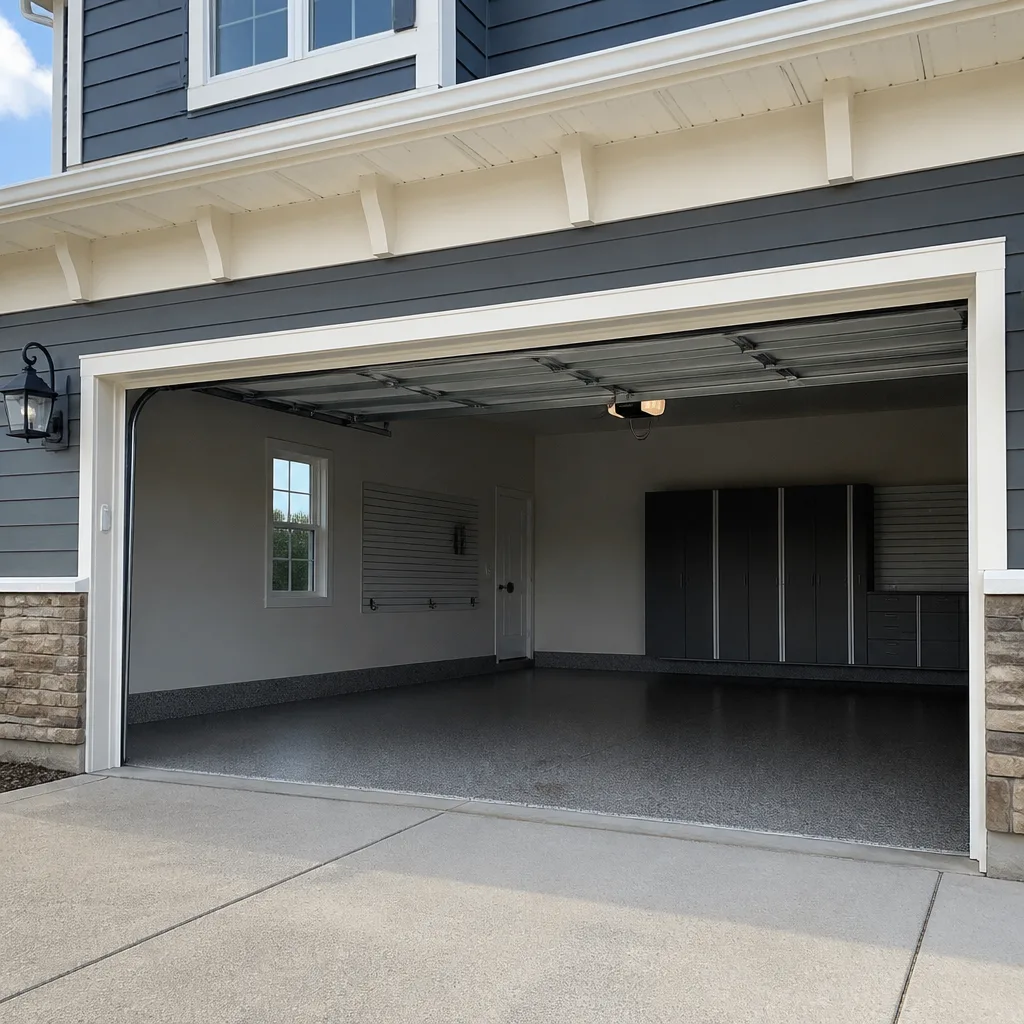 LiftMaster openers
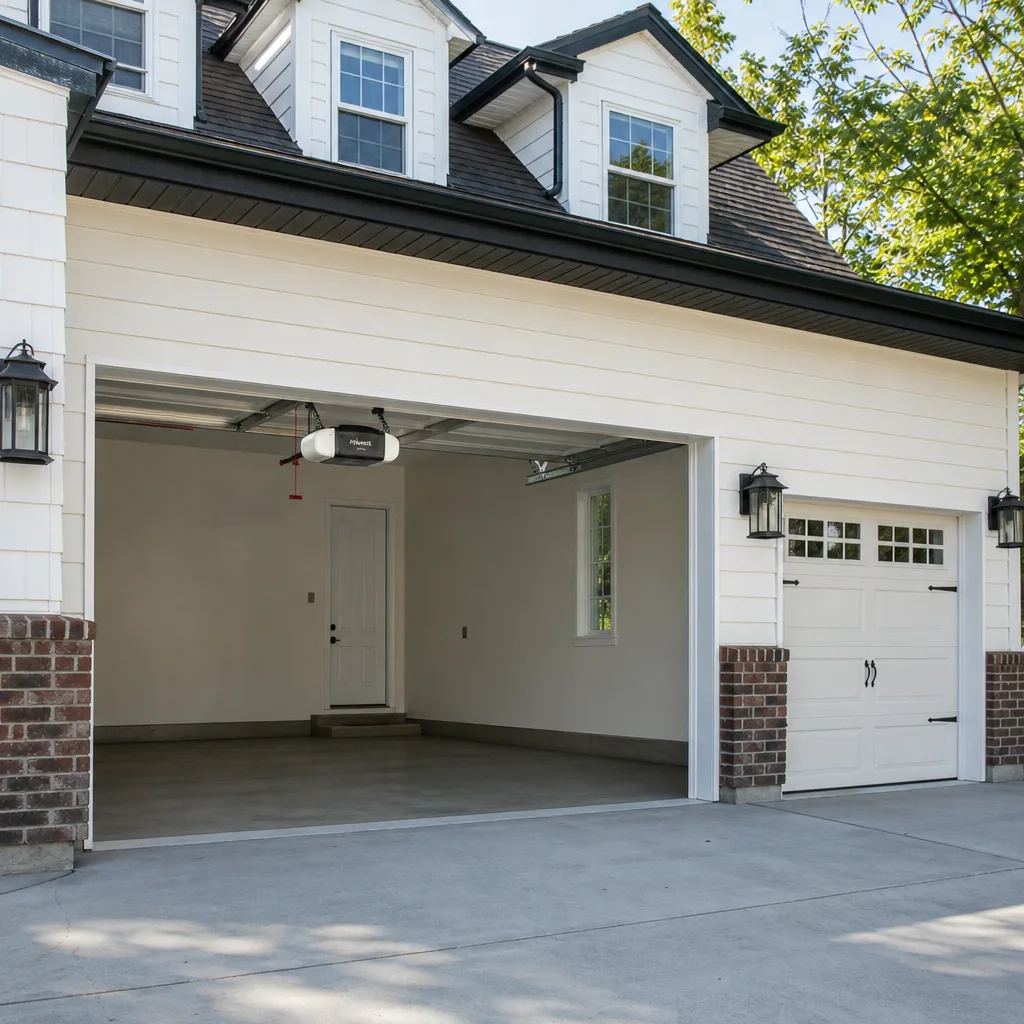 Chamberlain openers
Full 25-point door and opener safety check with every visit - springs, cables, rollers, tracks, and your LiftMaster or Chamberlain opener included
You get a price before we start. It does not change when the truck arrives.
Get your free estimateGarage Door Warning Signs: A Ventura Homeowner’s Reference Guide
A garage door that hesitates for half a second before moving is not “getting old.” It is a limit switch losing calibration, and if you wait long enough, the door will either refuse to open or refuse to stop. Most garage door failures in Ventura announce themselves days or weeks in advance. Homeowners simply don’t know what the announcements mean. This guide pairs every warning sign with the specific component causing it, what it will cost to ignore, and what it costs to fix today. For a broader overview, see The Complete Guide to Garage Door in Ventura. We’ve served Ventura since 2001, and we’ve seen every warning sign in this guide dozens of times, in homes from Midtown to the Avenue to the hills above Foothill Road.
Styles & brands we work with
Quick Answer
The most common garage door warning signs in Ventura are a door that hesitates before moving, a grinding or popping noise during operation, uneven lifting, visible spring gaps, and rust streaking on cables. A popping noise from the torsion spring means the spring is under abnormal stress and can break without warning, which makes the door dangerous to operate. If your door hesitates, makes popping sounds, or lifts unevenly, stop using it and have a trained garage door technician inspect it. Most warning signs cost $120 to $340 to fix when caught early. The same problems left alone become $400 to $900 repairs.
Table of Contents
- Sound-Based Diagnostics: What Your Garage Door Is Telling You
- Movement-Based Diagnostics: Hesitation, Jerk, and Reversal
- Visual Warning Signs You Can See Without Touching Anything
- The 30-Second Balance Test Every Ventura Homeowner Should Do
- Severity Ratings: Monitor, Schedule, or Stop Using the Door Today
- How Ventura’s Coastal Climate Accelerates Garage Door Wear
- Common Mistakes to Avoid
- When to Call a Professional
- Frequently Asked Questions
- The Bottom Line
Sound-Based Diagnostics: What Your Garage Door Is Telling You
Garage doors make noise. That’s normal. What’s not normal is a change in the noise. A door that has operated quietly for years and then starts grinding, popping, slapping, or clicking is giving you a specific diagnostic report. Here’s what each sound means, which component is involved, and what the repair typically costs in Ventura.
Grinding Noise: Worn Roller Bearings
A grinding or metallic scraping sound usually points to worn roller bearings. The rollers are the small wheels attached to the door’s sides that ride inside the vertical and horizontal tracks. Most rollers have sealed ball bearings inside them. When the bearing wears out, the wheel stops spinning smoothly and drags along the track instead. In Ventura’s coastal air, this process accelerates because salt and moisture corrode the bearing surfaces faster than inland. Worn roller bearings on a single roller cost around $25 to $60 to replace. Worn rollers across the entire door run $150 to $300. If you ignore the grinding, the roller can seize completely, chew up the track, and force a track replacement that adds $200 to $400 to the bill.
Popping Noise: Torsion Spring Under Stress
A popping or sharp cracking sound during operation is the torsion spring, the large coil mounted above the door that does most of the lifting, releasing and re-engaging tension unevenly. This is the one sound you should not wait on. A torsion spring under abnormal stress can break without further warning. When it breaks, it releases stored energy violently, and the door becomes extremely heavy and unsafe to operate. Most spring failures we see in Ventura happen when the door is opening or closing, not when it’s at rest. A torsion spring replacement in Ventura typically runs $180 to $340, including parts and labor. That’s a small price compared to a failed spring causing cable damage, bent panels, or a door that falls on a car or a person. If you hear popping, stop using the door and call a professional the same day. Do not attempt to inspect the spring yourself. The tension in a wound torsion spring is dangerous enough to cause serious injury.
Slapping Noise: Loose Cable
A slapping or flapping sound, especially during the first few inches of travel, usually means a lifting cable has come loose from the cable drum. The cable drum is the spool at each end of the torsion spring bar that winds and unwinds the cable as the door moves. If the cable loses tension, it can slap against the track or the door itself. A loose cable is both a symptom and a cause: it often means the spring is failing or the drum has slipped, and it can also fray or snap while the door is moving. If a cable snaps under load, the door can jerk violently and come off its track. Cable replacement and drum adjustment typically costs $150 to $250 in Ventura. This is a same-day repair, not a monitor-and-wait situation.
Clicking Noise: Limit Switch Fault
A rapid clicking sound when you press the opener button, with the door not moving, usually means the opener’s limit switch has failed or lost its setting. The limit switch tells the opener how far the door should travel in each direction. When it fails, the opener doesn’t know where the door is, so it refuses to move the door at all. This is less dangerous than a spring or cable problem, but it means the door is unusable until the switch is recalibrated or replaced. In our experience, clicking is also the most commonly misdiagnosed sound. Homeowners often assume the motor is dead and budget for a full opener replacement. In many cases, the fix is a $100 to $180 limit switch adjustment or replacement. That’s why we always diagnose before we quote. The price is in writing before any work starts, so you know whether it’s a switch or a motor before you commit.
Movement-Based Diagnostics: Hesitation, Jerk, and Reversal
Sound is only half the diagnostic picture. The way the door moves tells you as much as the way it sounds. Here are the four movement patterns we see most often in Ventura service calls.
Hesitation Before Moving
A door that pauses for half a second or a full second after you press the button, then starts moving, is often a limit switch losing calibration or an opener capacitor beginning to fail. The capacitor is a small cylindrical component inside the opener that stores and releases the electrical charge needed to start the motor. Capacitors degrade gradually. The first symptom is usually a delay, followed by a door that moves slower than it used to, and eventually a door that won’t move at all. A capacitor replacement runs $85 to $150 in Ventura. A limit switch adjustment or replacement is $100 to $180. Neither of these is urgent, but both get worse with time, and both are cheaper to fix before the opener fails entirely.
Uneven Lifting
If one side of the door lifts before the other, or the door looks crooked while it’s moving, the most likely cause is a cable drum imbalance. The cable drums at each end of the spring bar must wind and unwind the cables at exactly the same rate. If one drum has slipped or one cable has stretched, the door lifts unevenly. This puts uneven stress on the hinges, the tracks, and the spring itself. Left alone, uneven lifting can bend a track, snap a cable, or cause the door to come off its track entirely. Cable drum rebalancing runs $120 to $200. It’s a routine repair for us, and it’s one of the most common issues we fix on older Ventura homes, especially doors installed in the 1990s and early 2000s that have never had their drums touched.
Jerky Travel
Jerky, stop-start movement is usually a bent track or a worn trolley carriage. The trolley carriage is the component that connects the opener’s rail to the door arm and pulls the door along the track. When the carriage wears, the door moves in small lurches instead of one smooth motion. A bent track causes the same symptom because the rollers are being forced through a section of track that no longer lines up. Track realignment costs $100 to $150. Trolley carriage replacement runs $120 to $180. Both are what we call “schedule within 30 days” issues. They won’t cause a catastrophic failure tomorrow, but they are getting worse every time the door cycles, and they add wear to the rollers, hinges, and opener motor.
Door Reverses Before Closing
A door that starts to close and then reverses before touching the ground is usually a safety sensor misalignment. The sensors are the small photo eyes mounted on each side of the door opening, about six inches off the ground. They project an invisible beam across the opening. If anything breaks the beam, or if the sensors are misaligned, the opener assumes something is in the way and refuses to close. Sensor misalignment is the most common DIY-fixable issue on this list, and it’s the one we talk homeowners through on the phone most often. Check that nothing is blocking the sensors, that their lenses are clean, and that the small indicator lights on each sensor are lit. If both lights are on and the door still reverses, it may be a travel limit overshoot, meaning the opener thinks the floor is at the wrong height and reverses because it believes it hit something. That’s a $100 to $150 limit adjustment or replacement. If you’ve checked the sensors and the door still won’t close, call us at (559) 239-8293 and we’ll walk through it with you. A live person answers day, night, weekends, and holidays.
Visual Warning Signs You Can See Without Touching Anything
Some warning signs don’t require you to operate the door at all. They’re visible the moment you walk into the garage. These are the ones most Ventura homeowners see every day and never register.
A Visible Gap in a Torsion Spring Coil
The torsion spring is the large coil mounted horizontally above the door. A healthy spring is one continuous coil with no gaps. If you see a gap of a quarter inch or more between two sections of the coil, the spring has already begun to fail. This gap means the spring has lost some of its tension and is no longer carrying the door’s weight evenly. When you see a gap, the spring is not going to heal itself. It will break, and it will probably break within a few dozen cycles. This is a “stop using the door today” situation. Spring replacement in Ventura runs $180 to $340 for a single spring and $250 to $450 for a pair. We always replace both springs on a two-spring door because both have the same wear history, and replacing only one means the other will fail soon after. Every repair we do is backed by our 365-Day Done Right Promise: 365 days from the date of repair, if it fails, we come back and make it right at no charge.
Rust Streaking on Cables
The lifting cables are the steel cables that run vertically along each side of the door, connecting the bottom brackets to the cable drums. In Ventura’s coastal air, these cables rust faster than they do inland. Rust streaking, meaning orange-brown discoloration running down the cable, means the cable is oxidizing from the inside out. A rusted cable is a snapped cable waiting to happen. When a cable snaps, the remaining cable and spring take the full load, the door jerks, and panels can bend or break. Cable replacement runs $150 to $250 in Ventura. If you see rust streaking, schedule a replacement within 30 days. Don’t wait for the snap.
Frayed Bottom Weatherstripping
The weatherstripping, also called the bottom seal or astragal, is the rubber strip along the bottom edge of the door. It keeps water, dirt, leaves, and pests out of the garage. When it frays, cracks, or pulls away from the door, the garage takes on moisture. In Ventura, where marine layer moisture is a daily fact of life, a frayed seal means damp garage floors, rust on tools and stored items, and a higher risk of mold in attached garages. Bottom seal replacement is one of the least expensive repairs we do, typically $75 to $120 including materials. It’s also one of the most neglected. We’re in and out of garages all over Ventura, and we’d estimate a third of the doors we see have a seal that should have been replaced a year ago.
Panel Corner Cracks
Small cracks at the corners of door panels, especially the bottom panel, indicate stress fractures from the door carrying uneven load. This often happens after a cable or spring issue that went unaddressed, or from years of the door being manually forced open while the opener was disconnected. Corner cracks weaken the panel and allow moisture into the panel’s interior, which adds weight and accelerates further cracking. Panel replacement is one of the more expensive single-component repairs: $250 to $500 per panel depending on the door model and finish. Catching the underlying cause, usually a spring or cable imbalance, before the panel cracks costs a fraction of that. If you see corner cracks, have the door’s balance checked. Cracks are a symptom, not a cause.
The 30-Second Balance Test Every Ventura Homeowner Should Do
Here’s a simple test that tells you whether your garage door is dangerous to operate right now. It takes 30 seconds, requires no tools, and doesn’t involve touching any component under tension. Do this test with the door closed.
- Pull the emergency release handle, usually a red cord hanging from the opener rail. This disconnects the door from the opener, so you’re testing the door alone, not the motor.
- Lift the door manually by the bottom handle or the bottom edge. It should lift smoothly with moderate effort and stay wherever you leave it.
- Lift the door to waist height, about three to four feet off the ground, and let go.
Here’s what the results mean:
- The door stays put. The spring is doing its job. The door is balanced, and the spring is carrying the door’s weight correctly. This is what a healthy door does.
- The door drops or falls closed. The spring is weak, broken, or improperly tensioned. The door is heavy enough to injure someone or damage a car if it falls. Stop using the door and call for spring repair. This is a “stop using the door today” result.
- The door rises on its own. The spring is over-tensioned. This is less common but still a problem. An over-tensioned spring will fail prematurely and can make the door difficult to close safely. Schedule a spring adjustment.
- The door is hard to lift or impossible to lift. The spring has likely broken, or the door has come off its track. Do not force it. Forcing a door with a broken spring can bend panels and snap cables. Call for professional help the same day.
We walk Ventura homeowners through this test on the phone regularly, and it’s the single most useful diagnostic we can offer without being there. If you do the test and the door drops, call us at (559) 239-8293. A real person answers, not a voicemail tree. We’ll tell you what to do next and what a spring replacement will cost in your part of Ventura before anyone comes out. The price is in writing before any work starts.
Severity Ratings: Monitor, Schedule, or Stop Using the Door Today
Not every warning sign demands the same response. Here’s how we categorize them in order of urgency, so you can make a proportionate decision without being rushed by panic. If you’re planning ahead, our Seasonal Garage Door Care for Ventura: Year-Round Homeowner’s Guide has a maintenance calendar to help prevent these issues.
Monitor: Keep an Eye on It
These signs indicate wear that should be watched but does not require immediate action:
- Slow but smooth operation, especially on hot days when the opener motor is working harder
- Mild grinding noise that comes and goes, suggesting early roller bearing wear
- Visible wear on the bottom weatherstripping that hasn’t yet cracked through
- Faint rust discoloration on hardware, without full streaking
Document what you’re seeing. Take a photo or note the date you first noticed it. If it gets worse over the next month, move it to the next category.
Schedule Within 30 Days
These signs indicate a component is failing and the repair is cheaper now than it will be later:
- Consistent grinding noise that does not go away
- Hesitation before the door starts moving
- Jerky travel or stop-start motion
- Uneven lifting that is mild but visible
- Rust streaking on cables
- Panel corner cracks with no immediate threat of breakage
- Frayed bottom weatherstripping that allows moisture in
These repairs typically range from $75 to $300 depending on the component. Scheduling within 30 days prevents a cascade: a worn roller becomes a damaged track, a failing capacitor becomes a dead opener, a rusted cable becomes a snapped cable and a bent panel.
Stop Using the Door Today
These signs mean the door is a safety hazard in its current state:
- A popping sound from the torsion spring during operation
- A visible gap in the torsion spring coil
- The door drops or falls in the balance test
- A snapped cable, even if the door still partially operates
- The door comes off its track, even by a small amount
- The door reverses before closing and won’t close at all, with sensor lights not lit
If you hit any of these, discontinue use and call for same-day service. A torsion spring holds hundreds of pounds of tension. When it breaks, it does so with force. A door that falls because the spring has failed can injure someone or damage a vehicle. The cost of emergency same-day service in Ventura is typically the same as scheduled service with us. We don’t charge an emergency surcharge for after-hours calls, because waiting until morning on a broken spring means leaving a garage either stuck open or stuck closed overnight, and neither is acceptable. Call (559) 239-8293. A live person picks up 24/7.
How Ventura’s Coastal Climate Accelerates Garage Door Wear
Garage door components wear out everywhere, but Ventura’s specific climate conditions mean certain parts fail faster here than they do 20 miles inland. Understanding these local factors helps you know what to watch for.
First, the marine layer. Morning fog and salt air are constant companions for homes west of the 101 and throughout much of the Ventura basin. Salt and moisture corrode steel components, especially cable surfaces, roller bearings, and torsion springs. A spring that lasts 10 years in Oxnard or inland Ventura County might last 7 or 8 in a Pierpont or Midtown garage three blocks from the ocean. Cables that would rust in 12 years inland show rust streaking in 8 years here. This isn’t a product defect. It’s coastal chemistry.
Second, temperature swings. Ventura doesn’t get extreme heat, but the daily swing between warm afternoons and cool evenings, combined with the marine layer, creates condensation cycles inside uninsulated garages. Metal components expand and contract daily. Over years, this fatigues spring steel and contributes to the coil gaps we described earlier.
Third, wind. Homes in the hills above Ventura, in areas like Ondulando and the east end, get consistent afternoon winds that push against garage doors. A door that is even slightly out of balance will fight the wind more, accelerating wear on hinges, rollers, and the opener motor. This is one reason we recommend the balance test for hill homes more than for flatland homes.
The practical takeaway: if you live within two miles of the coast in Ventura, inspect your cables and springs for rust and corrosion more frequently than the national average would suggest. If you live in the hills, pay closer attention to balance and hinge wear. And if you live in an older home, meaning pre-1990, your door hardware has been through thousands of cycles in this climate, and it’s worth a professional inspection even if nothing is visibly wrong. Our garage door repair service in Ventura covers every neighborhood in the city, and we’re factory-trained on Wayne Dalton, Craftsman, Raynor, and LiftMaster systems, among others.
Common Mistakes to Avoid
- Lubricating the wrong parts. Homeowners often spray lubricant on the tracks or the torsion spring. The tracks should stay dry; the rollers and hinges take the lubricant. Spraying the spring does nothing helpful and leaves a mess. Silicone-based lubricant on the rollers, hinges, and bearing plates is the right move.
- Ignoring the balance test because the opener still works. The opener hides spring failure because the motor is doing the lifting the spring should be doing. A door that works fine with the opener but fails the balance test is a spring failure in progress. The opener is masking the problem, and the opener motor is wearing out faster as a result.
- Forcing a stuck door. When a door won’t move, the impulse is to pull harder or push the opener button repeatedly. This bends panels, snaps cables, and strips the opener’s gear. A stuck door is a symptom. Find the cause before applying force.
- Replacing the opener when the spring is the problem. We’ve seen Ventura homeowners spend $400 on a new opener when the real issue was a $200 spring replacement. The opener is the easiest thing to blame. The spring is the more common failure. Diagnose before you replace.
- Delaying cable replacement because the door still works. A rusted cable can look bad for months while still functioning. The failure, when it comes, is sudden and dramatic. Replacing cables at the first sign of rust streaking is always cheaper than replacing cables plus a bent panel plus a damaged track.
- Doing spring work yourself. Torsion springs are under hundreds of pounds of tension. You can find instructional videos online, but the risk is real. Every year, homeowners are injured by attempting spring repairs. This is a hire-a-professional situation, not a weekend project. The danger is specific and well-documented.
- Choosing a contractor based on price alone without knowing who is showing up. In Ventura, garage door repair means opening your home to a stranger. You deserve to know who that person is before they ring the bell. We send every customer the technician’s name and photo before arrival. Every tech is background-checked, identity-verified, and arrives in a clean marked uniform with a photo ID badge. That’s the Threshold Standard, and it’s non-negotiable for us.
When to Call a Professional
Call a professional the same day if you hear popping from the spring, see a visible spring gap, snap a cable, or the door fails the balance test and drops. If you’re choosing a contractor for the first time, read How to Hire a Garage Door Contractor in Ventura: A Step-by-Step Guide to know what to ask. These are safety issues, not maintenance items. Call within a few days if the door hesitates, grinds, jerks, lifts unevenly, or refuses to close. These are failures in progress. Call for a routine inspection if your door is 10 years old or more, you live within two miles of the Ventura coast, and you’ve never had the springs, cables, and balance checked. A professional inspection catches what a visual once-over misses. Doyle Garage Doors Ventura offers free estimates in Ventura. Call (559) 239-8293 and a live person will answer, day or night. We’ll give you a written price before any work starts, and every repair carries the 365-Day Done Right Promise.
Frequently Asked Questions
The most common warning sign we see in Ventura is a door that hesitates before moving, which typically indicates a failing opener capacitor or a limit switch losing calibration. Both repairs cost $85 to $180 and are significantly cheaper than the $300 to $500 opener replacement that becomes necessary if the problem is ignored. Call (559) 239-8293 for a free estimate, and we’ll diagnose the exact cause before quoting anything.
Torsion spring replacement in Ventura typically costs $180 to $340 for a single spring and $250 to $450 for a pair, including parts and labor. Both springs should be replaced together on a two-spring door because they share equal wear history. The price is quoted and agreed in writing before any work begins, so there are no surprises on the invoice.
No. A popping noise from the torsion spring means the spring is releasing and re-engaging tension unevenly, which indicates imminent failure. A failed spring makes the door extremely heavy and dangerous, and if the door falls, it can injure someone or damage a vehicle. Stop using the door and call for professional spring replacement the same day. Call (559) 239-8293, 24/7, and a real person will answer.
A door that reverses before closing is usually caused by misaligned safety sensors or a travel limit that needs adjustment. Check that the sensor lenses are clean and the indicator lights on both sensors are lit. If that doesn’t resolve it, the travel limit may be set too high, causing the opener to believe it has hit the floor early. That adjustment costs $100 to $150 in Ventura.
The balance test is a 30-second manual check that disconnects the opener and tests whether the spring alone can hold the door’s weight. You pull the emergency release, lift the door to waist height, and let go. If the door stays, the spring is healthy. If it drops, the spring has failed or is failing, and the door is dangerous to operate. We recommend every Ventura homeowner do this test twice a year.
Yes. Our technicians are factory-trained to service all major opener brands, including LiftMaster, Chamberlain, Genie, and Craftsman, as well as door brands like Wayne Dalton, Raynor, Clopay, and Amarr. We also service older openers that many companies won’t touch, and we’ll tell you honestly whether a repair or a replacement makes more financial sense before you spend a dollar.
The Bottom Line
Garage doors give clear warning before they fail. The popping spring, the hesitating opener, the rust-streaked cable, the panel corner crack, all of them are messages about a specific component in a specific state of decline. Learning to read those messages, and acting with proportion, keeps a $150 repair from becoming a $600 emergency. It also keeps you and your family safe, because the most serious failures are the ones that arrive without ceremony. In Ventura’s coastal climate, these warnings come sooner than they do inland. Check your door twice a year with the balance test. Look for rust on the cables and gaps in the spring coil. Listen for changes in sound. And when something’s wrong, call someone who will tell you exactly who is coming, what it will cost, and what you’re getting before the work begins. That’s how we’ve done it since 2001, from Doyle Garage Doors Ventura home base, serving the entire city and every garage door in it.
For more on what we do, see our Garage Door Repair in Ventura page, our Garage Door Installation in Ventura guide, and our Garage Door Opener Repair in Ventura service details.
Written by Aaron Teague, Owner at Doyle Garage Doors Ventura, serving Ventura since 2001. For more guides & resources, visit our blog.
See the difference
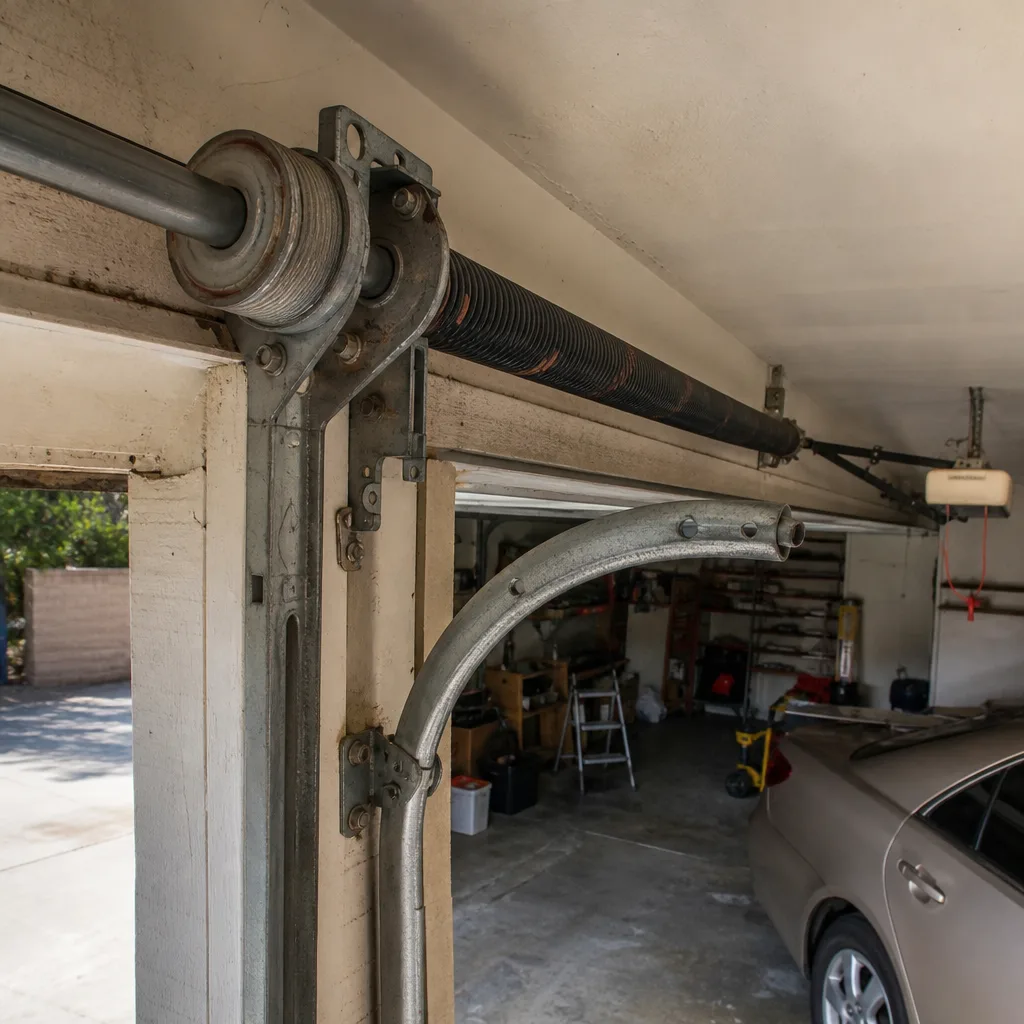 Before
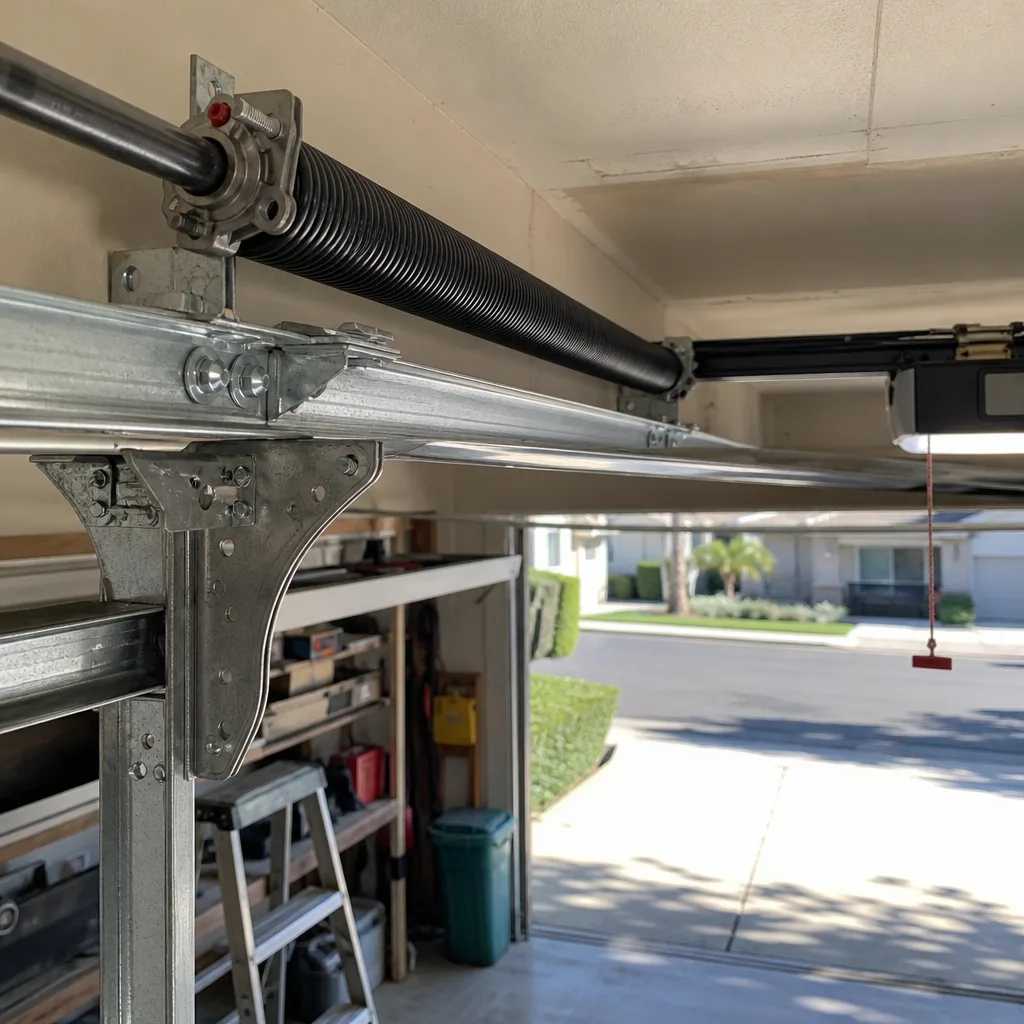 After
After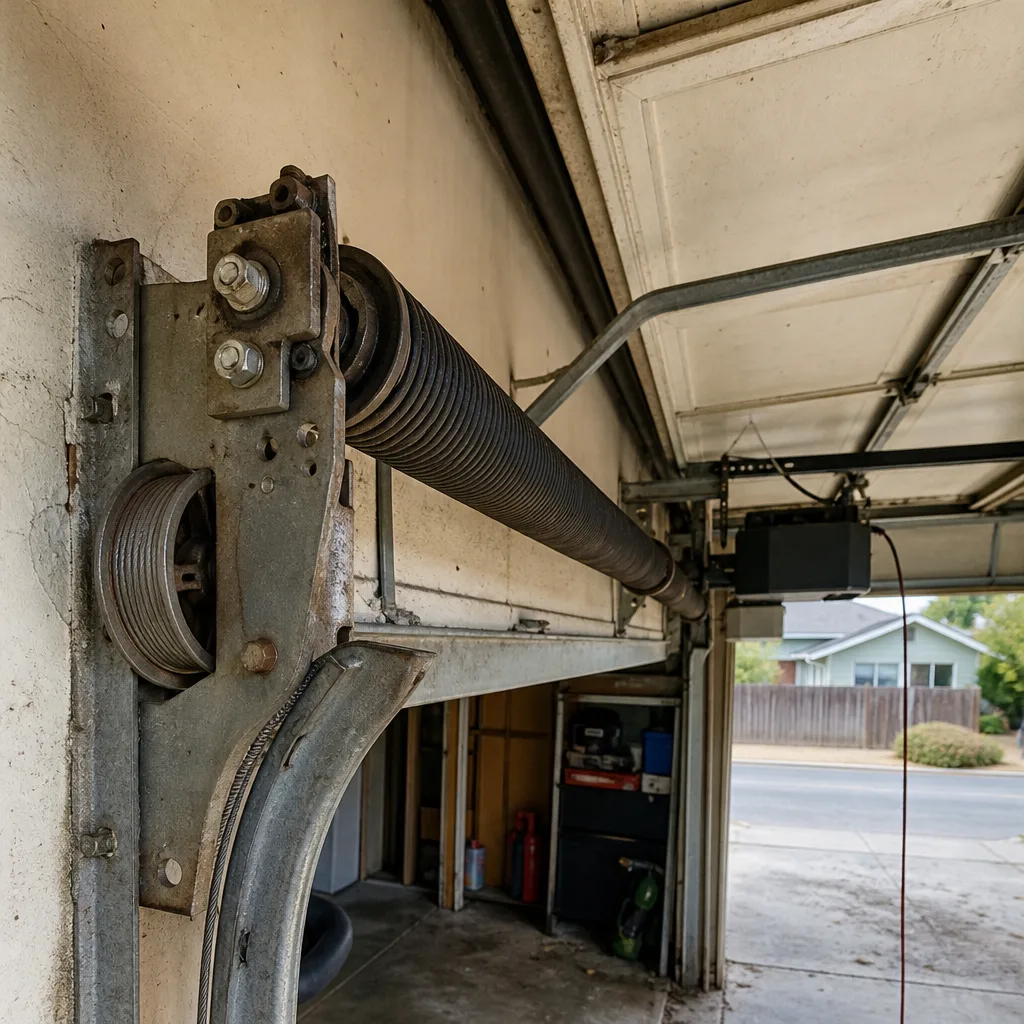 Before
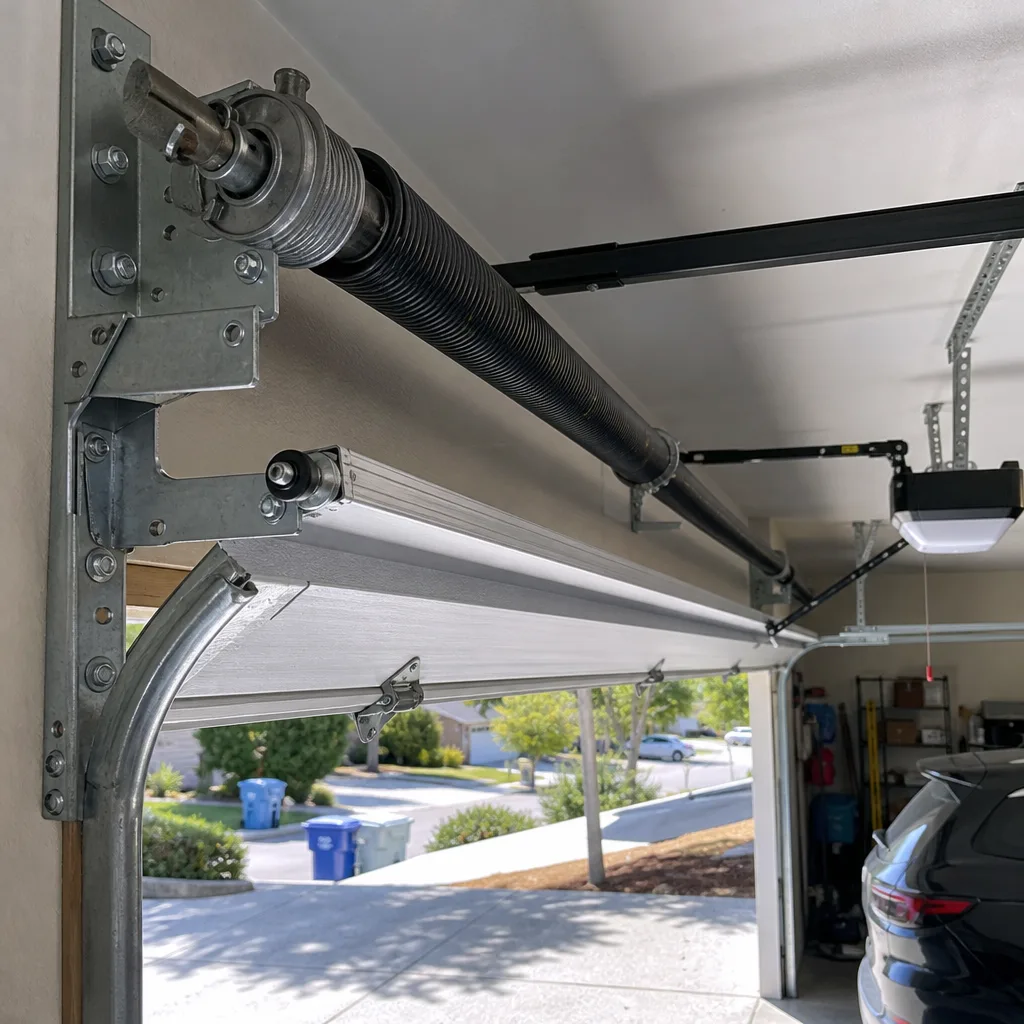 After
After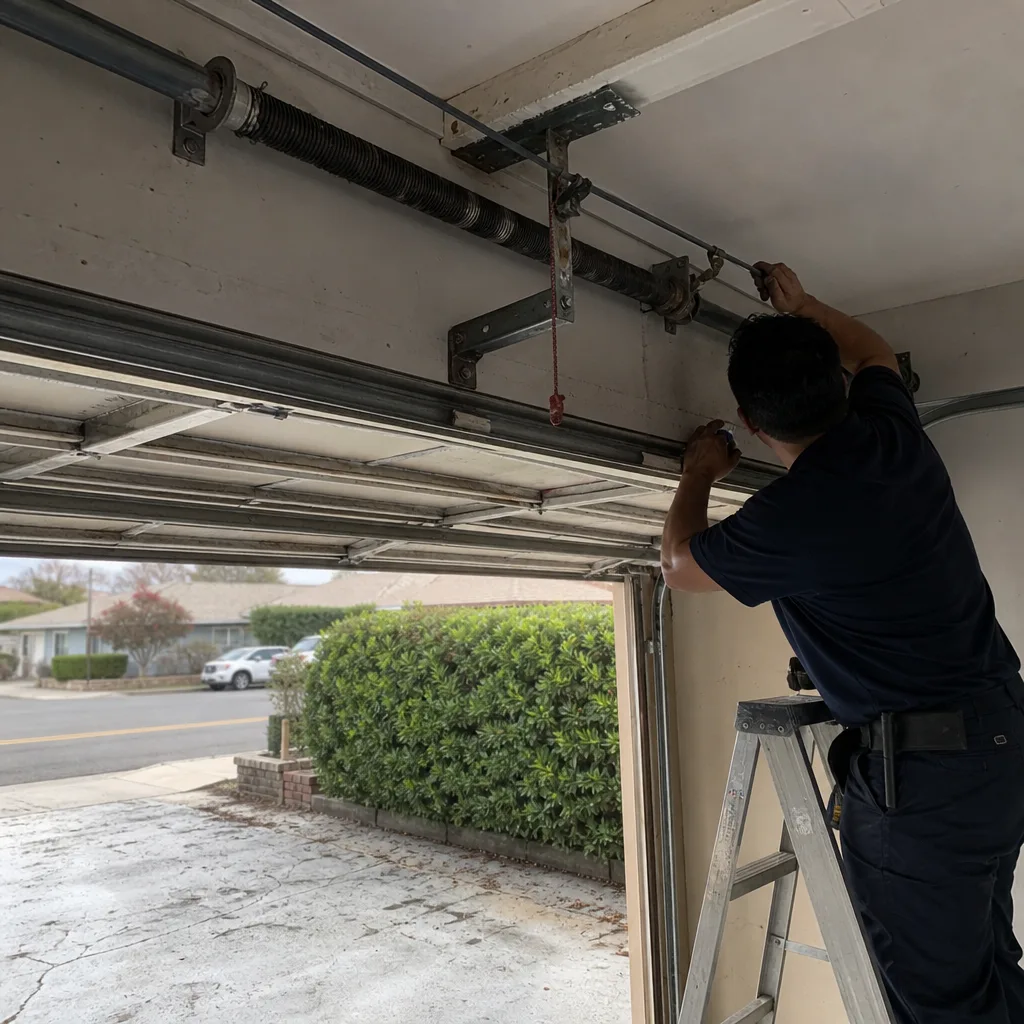 Before
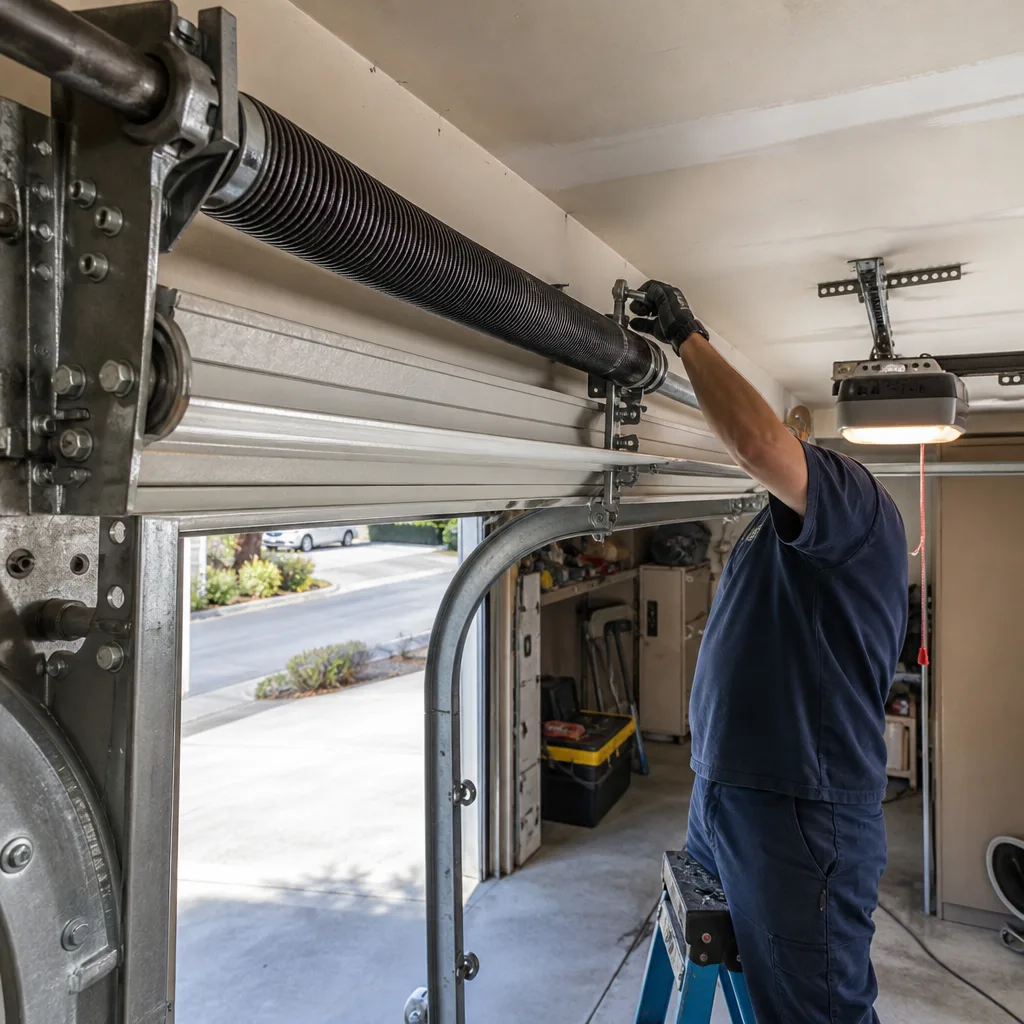 After
After