
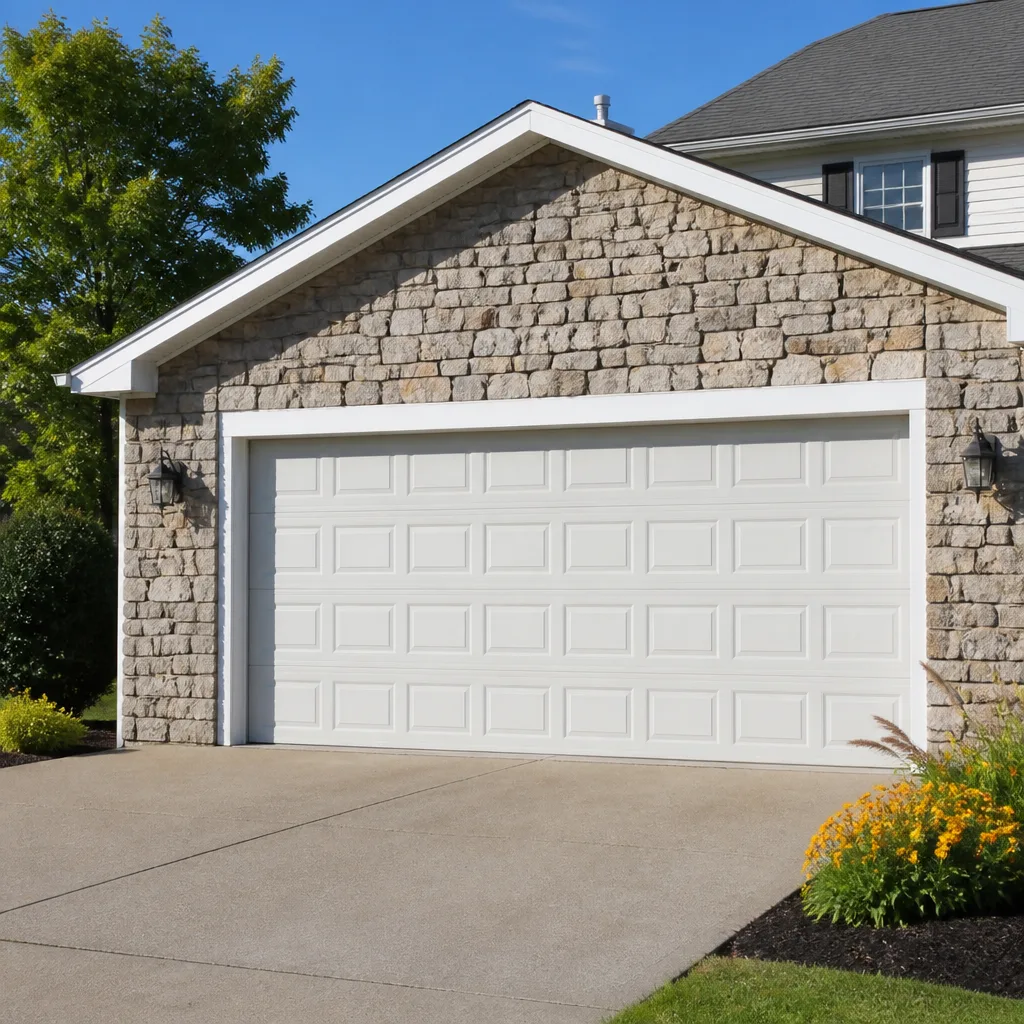
 Raised-panel steel
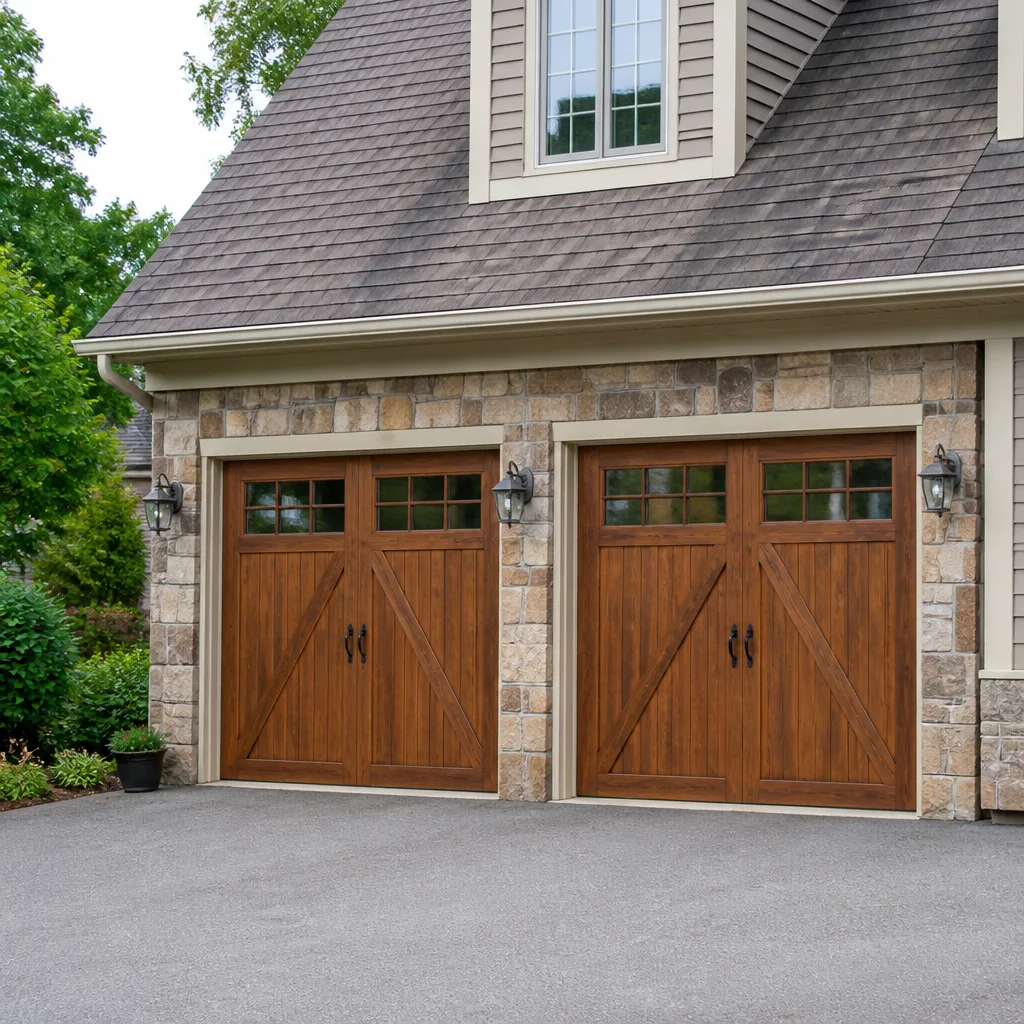 Carriage house
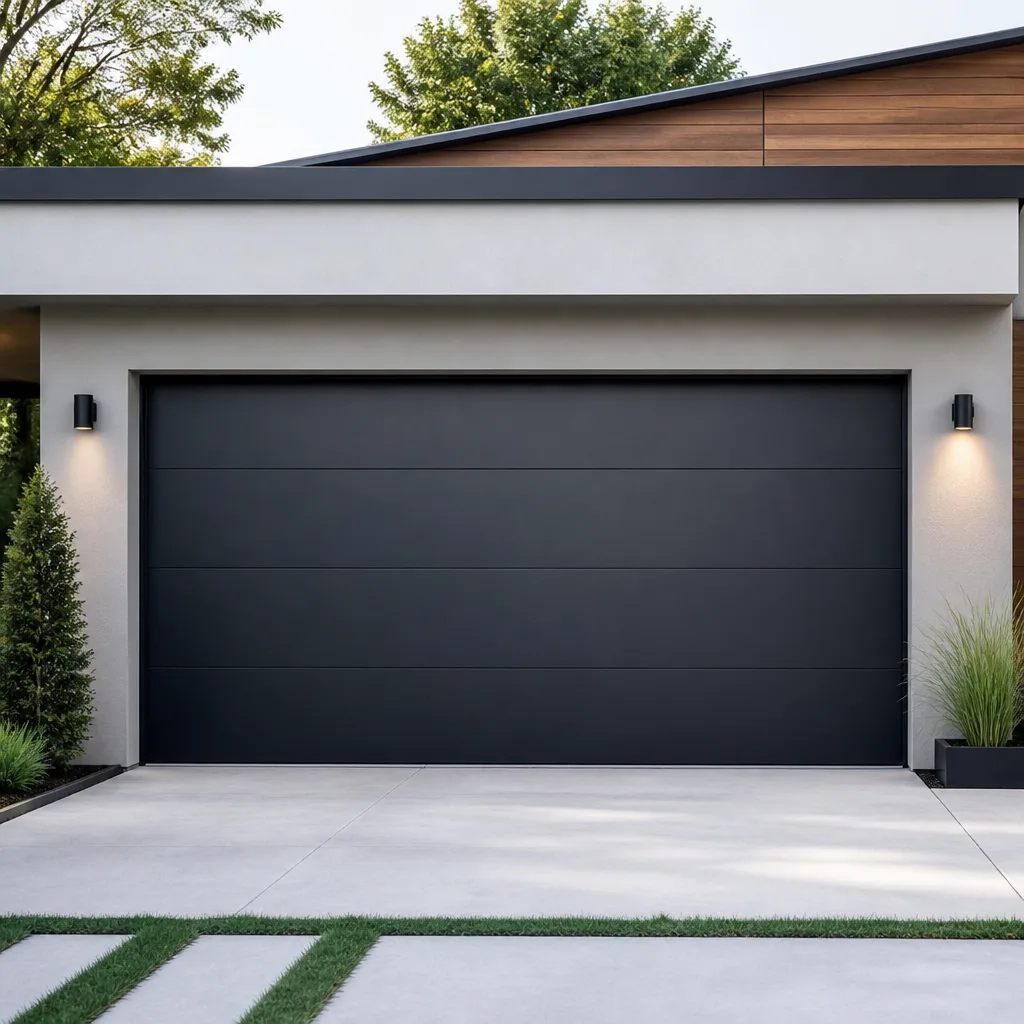 Modern flush
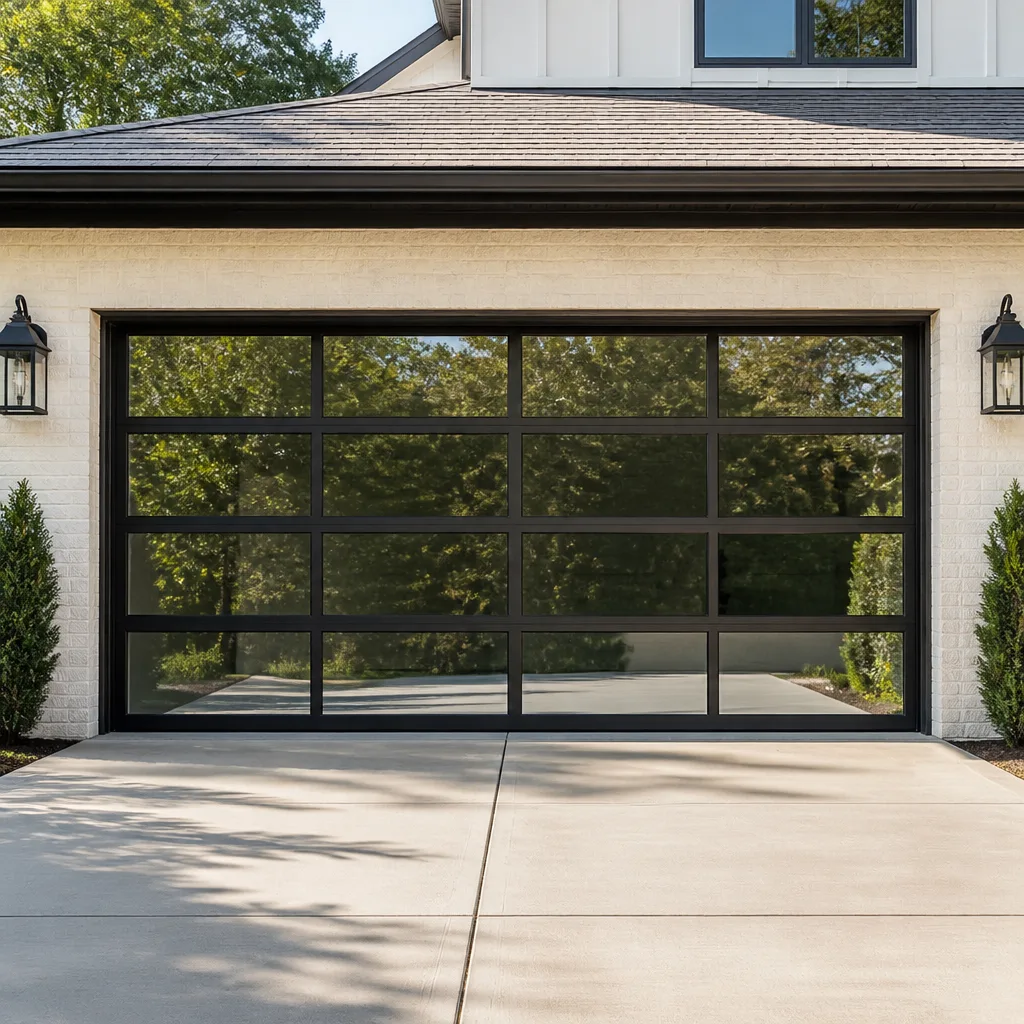 Full-view glass
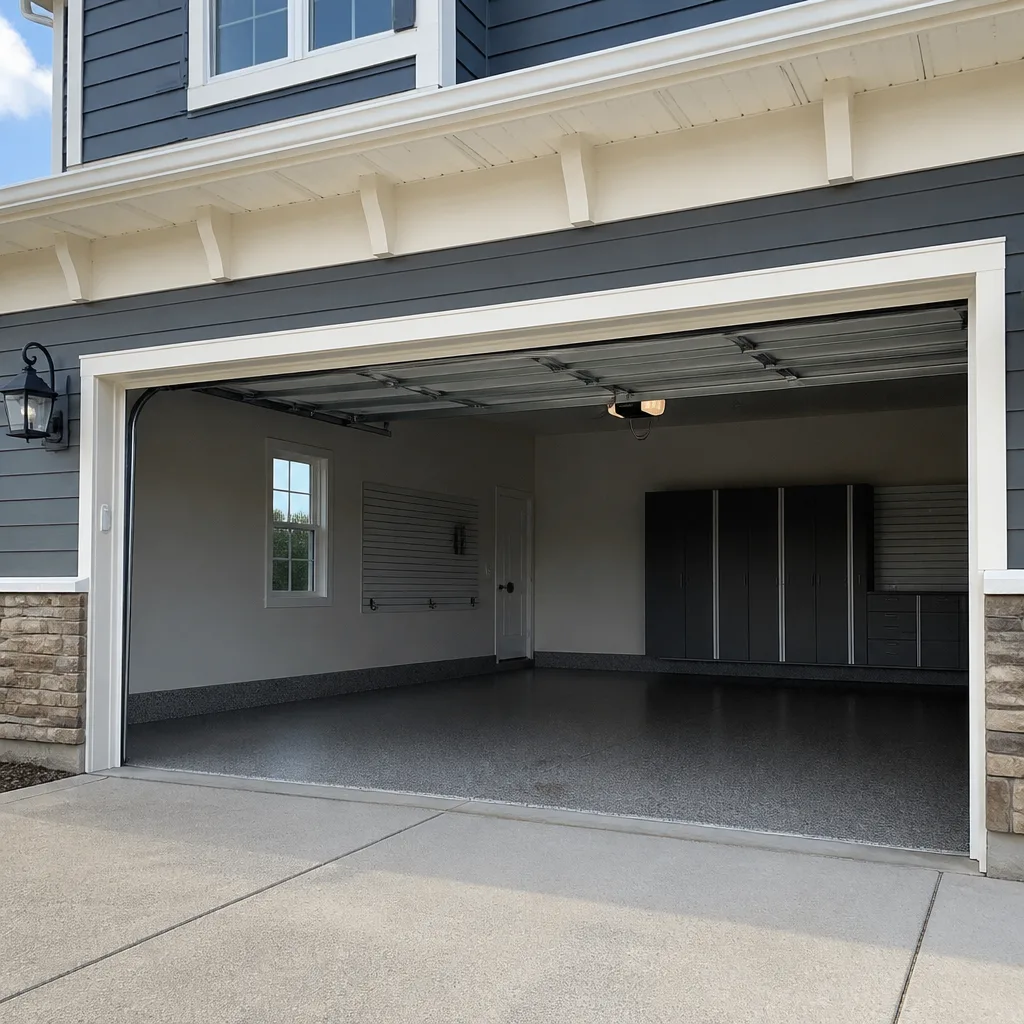 LiftMaster openers
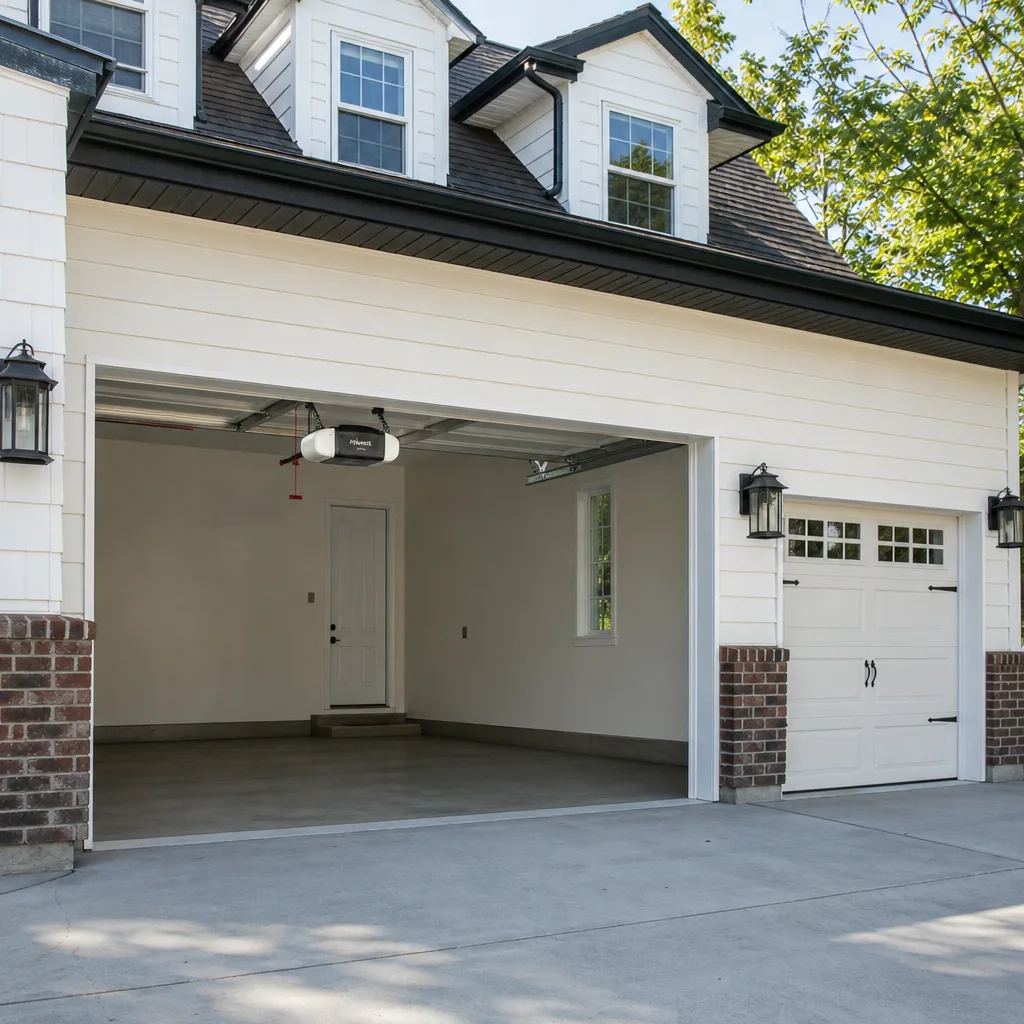 Chamberlain openers
Full 25-point door and opener safety check with every visit - springs, cables, rollers, tracks, and your LiftMaster or Chamberlain opener included
You get a price before we start. It does not change when the truck arrives.
Get your free estimateWayne Dalton Roller Replacement: The Ventura Owner’s Guide
Wayne Dalton roller replacement in Ventura typically costs $110 – $220 installed, and our trucks leave the shop stocked with Wayne Dalton-compatible rollers every morning, so we can usually complete the swap same-day. The symptom that gets you here is almost always the same: your door sounds like it’s grinding gravel, or it shudders and jerks about a third of the way up its travel. The roller is the steel-and-nylon wheel that rides inside the track, and when it starts to bind or fall apart, the whole door fights itself.
You’re not alone in catching this early or late. We run roller replacement calls all over Ventura, from hillside homes in Midtown where salt air does a number on metal parts, to older track homes near the 101 where doors have been cycling twice a day for 20-plus years. Most Wayne Dalton doors get roller trouble right around the same age the rest of the hardware starts to complain. It’s a common repair, but get the wrong roller spec and the fix won’t last.
Key takeaways:
- Installed price: $110 – $220 in Ventura – includes the rollers, the labor, and the written guarantee
- We stock Wayne Dalton-compatible rollers on the truck – most jobs are done in one visit
- Wrong roller size causes binding – Wayne Dalton tracks run tighter tolerances than most brands
- Price is in writing before work starts – no surprises when the job is done
Which Wayne Dalton Models This Applies To
Wayne Dalton built its reputation on lighter, quieter residential doors, and that engineering choice matters when you’re replacing rollers. Their most common lines in Ventura – the 9100/9600 series, the Classic Steel 8300/8500, and the carriage-house 9700 series – generally ride on 2-inch nylon rollers, but the stem length and bearing type vary more than you’d expect from one model year to the next. Doors built before roughly 2007 often came with short-stem 2-inch rollers, while later units moved to a longer stem to sit deeper in the hinge. If you put a short-stem roller on a door that wants a long one, it will pull out of the hinge under load. If you go too long, the door grinds against the track and chews up the nylon in months.
You can narrow things down without climbing a ladder: check the sticker on the inside of the door panel, typically near the bottom section or on the end stile. It’ll list the Wayne Dalton model and sometimes the serial. If the sticker is gone or faded, the roller stem diameter and length are the tell. We measure both on site before reaching for parts.
Wayne Dalton has also used a nylon bushing in some of their hinges that isn’t standard across other brands – we’ve seen owners buy a generic 2-inch roller online, discover the stem is a fraction too thin, and then deal with a roller that wobbles under tension. The OEM-vs-aftermarket call for Wayne Dalton is straightforward: a quality aftermarket roller with the same stem spec and a sealed bearing will typically outlast the original nylon-bushing design, especially within a few miles of Ventura Harbor where salt air works on anything that isn’t sealed. We carry both OEM-spec and aftermarket sealed-bearing rollers so the fix matches the door and the budget, not just what’s on the shelf.
One thing worth knowing upfront: we’re an independent service company, not a Wayne Dalton dealer. That independence is why we’ll tell you honestly when an aftermarket roller is the better long-term play instead of defaulting to the priciest factory option.
Wayne Dalton Roller Compatibility Quick Guide
- 9100/9600 series: typically 2-inch nylon, short or long stem depending on year – we measure before installing
- 8300/8500 Classic Steel: 2-inch roller, sealed-bearing upgrade recommended within 3 miles of the coast
- 9700 carriage house: longer-stem roller spec on most units; do not swap in generic short-stem rollers
- Doors over 8 feet wide: usually 10 rollers total (5 per side), which changes the parts cost modestly and the labor not at all
Styles & brands we work with
Signs Your Wayne Dalton Roller Replacement Is Failing
- Grinding or crunching noise while the door moves. The nylon tire on the roller has worn through to the steel core, or the bearing inside has gone dry and is chewing itself up. This is the most common Ventura call we get, and it only gets louder the longer you ignore it.
- Door jerks or shudders partway up. A roller with a flattened spot or a seized bearing stops rolling and starts sliding. That makes the door catch at the same point in its travel every time, and it puts extra strain on the hinges and the opener carriage.
- Visible wobble in the track. If you stand to the side and watch the door move, a failing roller lets the panel sway in and out instead of tracking straight. On Wayne Dalton doors, which are lighter than a Clopay or Amarr, that wobble is easier to spot early.
- Door leans to one side or looks uneven in the opening. One or two rollers have lost their tire or the stems are bending, so one side of the door sits lower. This puts uneven load on the torsion spring – the large coil above the door that does most of the lifting – and shortens its life.
- Door sounds heavy or the opener strains. A roller that isn’t rolling adds friction the opener motor has to fight. You’ll hear it as a low, labored hum on the way up. Left alone, it accelerates wear on the trolley carriage and the limit switch, turning a $110 roller job into a multi-part repair.
See the difference
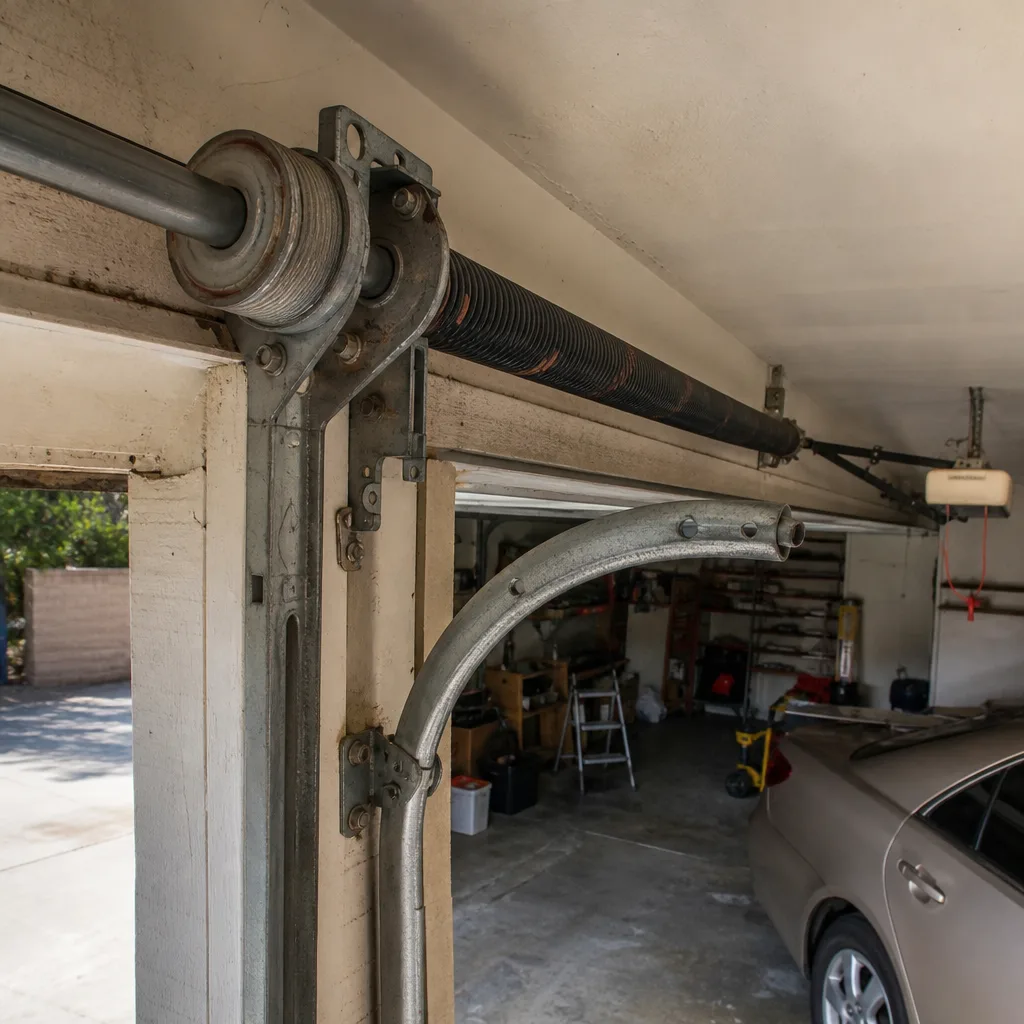 Before
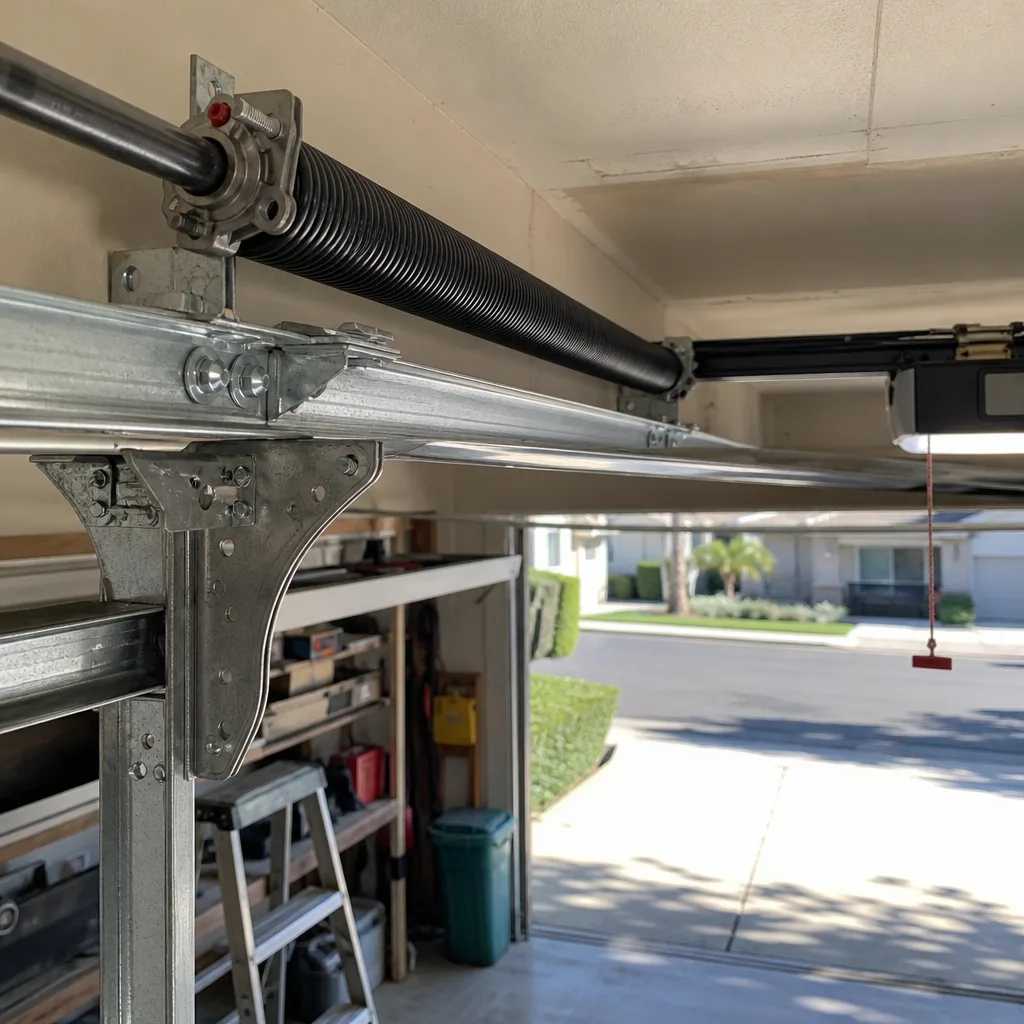 After
After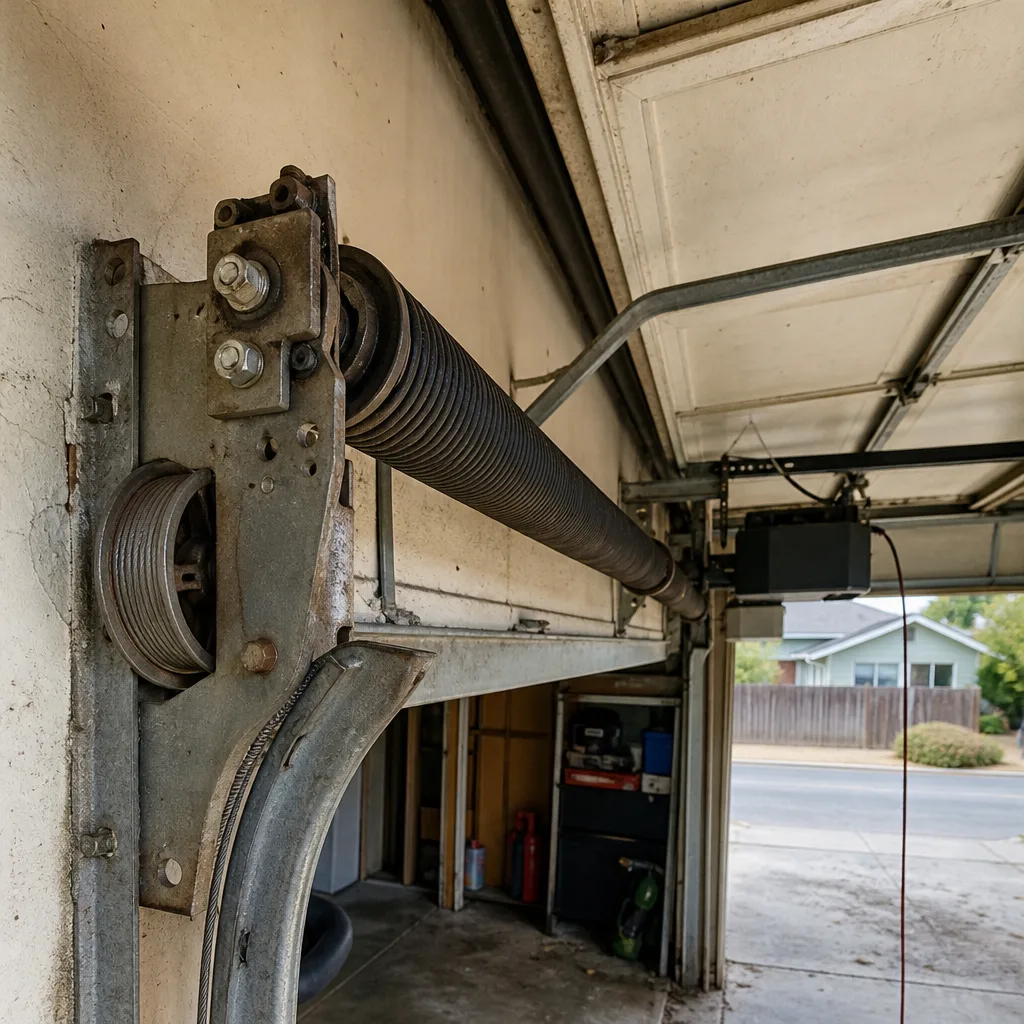 Before
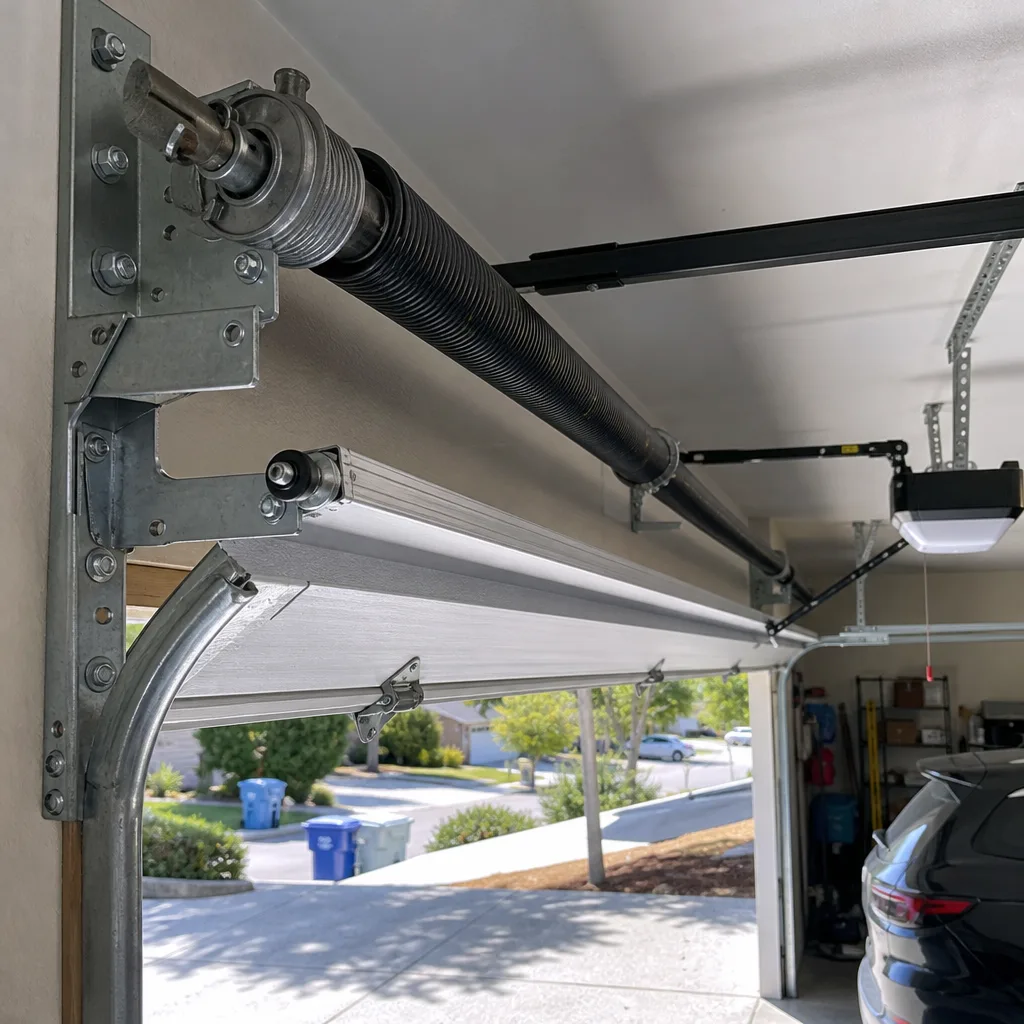 After
After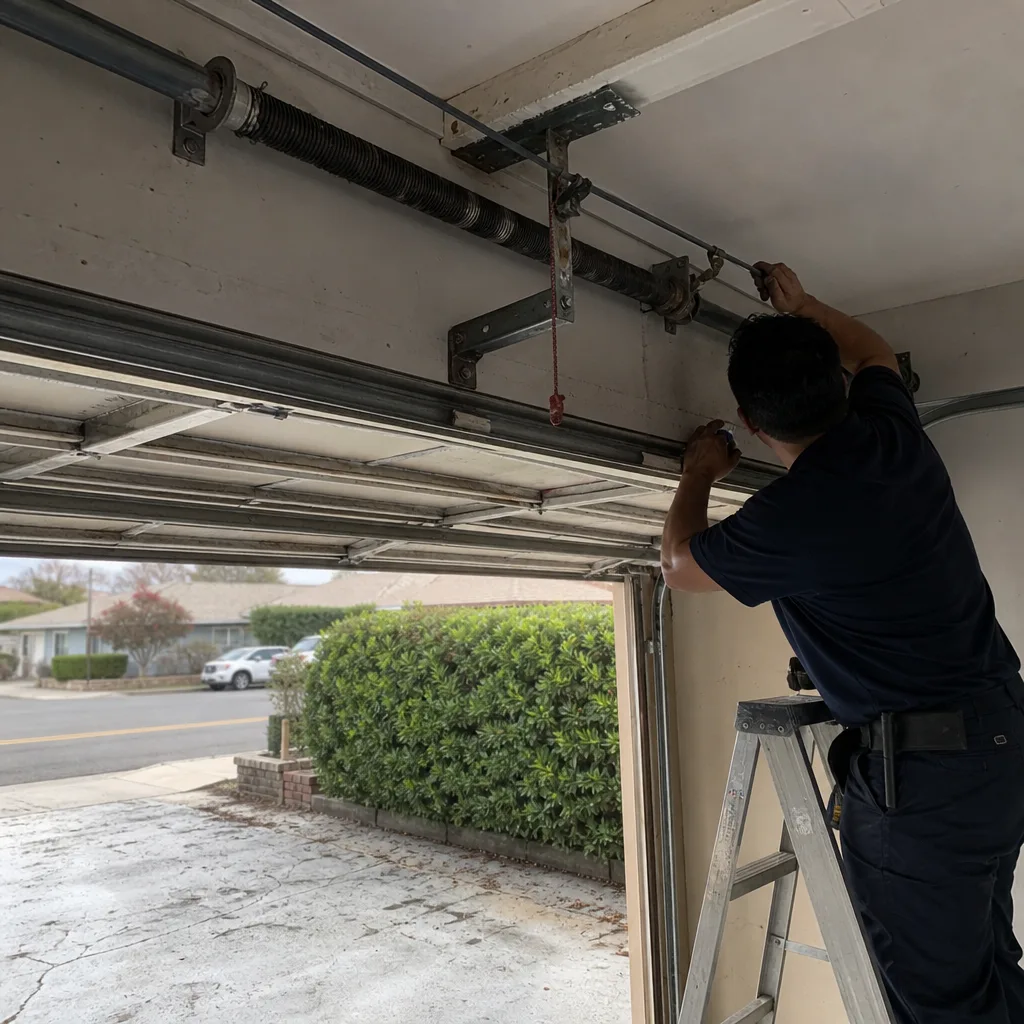 Before
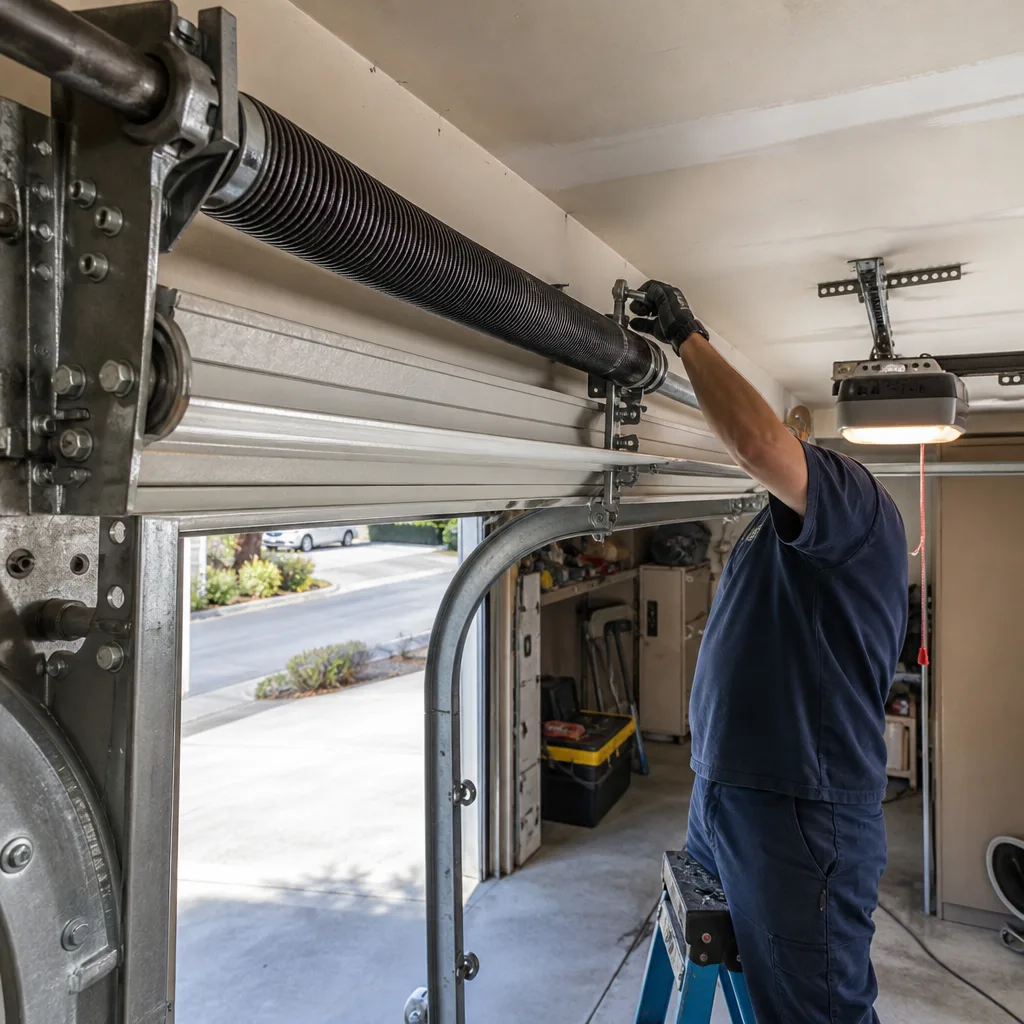 After
AfterReplacement Cost & What’s Included
Roller replacement on a Wayne Dalton door in Ventura runs $110 – $220, and the range comes down to a few predictable factors. The biggest is how many rollers need replacing – a standard single door uses 10 to 12, while doors with a high-lift track setup use fewer. The second factor is roller type: OEM-spec nylon rollers cost less than sealed-bearing aftermarket ones, but the sealed-bearing version lasts materially longer, especially in Ventura’s coastal air. The third is access. Most doors are straightforward, but a low-clearance track or a tight garage ceiling adds a little time.
Every roller replacement quote we write covers the rollers themselves, the labor to swap them, and a check of the hinges and track alignment while we’re in there. If we see a bent hinge or a track section pulling away from the wall, we’ll tell you, show you, and quote it separately – never as a surprise on the invoice.
And the price you get before we start is the price you pay when we’re done. That’s not a slogan; it’s how every job runs. Aaron built the company on the habit of handing a written number to the customer before a single bolt is turned, and that paper holds. Every repair also carries our 365-Day Done Right Promise: if the roller fails within a year, we come back and fix it at no charge, no argument. You’ll have that in writing too.
Call (559) 239-8293 for a free quote. A real person answers, day or night.
DIY or Call Us?
The honest split is this: you can safely identify a problem and you can safely watch the door move. What you should not do is pull a roller out of a Wayne Dalton track while the door is under tension, because the roller stem is what keeps the panel in the track. The wrong move can send a section of the door toward the floor or your hand, and garage door panels are heavier than they look. Rollers are one of the few parts on a door where the dangerous part isn’t the spring – it’s the geometry of the door itself.
Here’s what you can do without touching anything: stand to the side of the door and run it up and down. Listen for the grind, watch for wobble, and note whether the door sticks at the same point each time. That’s useful information to share when you call us. Checking whether the tracks are pulling away from the wall visually is also fine. Anything that involves loosening bolts on the hinges, the track, or the spring system should be left to a trained tech with the right tools and the right rollers already on hand.
We also don’t want you standing on a ladder next to a moving door. That’s a two-people-and-a-wrench setup, not a Saturday project. If you’re hearing the noise now, call (559) 239-8293 and we’ll get a tech headed your way. The diagnostic conversation is free, and if it turns out to be something smaller than a roller, we’ll tell you that too.
FAQs
OEM Wayne Dalton nylon rollers typically last 7 to 10 years in Ventura, but homes within a few miles of the coast often see failures on the shorter end of that window because salt air accelerates bearing corrosion. Sealed-bearing aftermarket rollers generally add 3 to 5 years to that lifespan. Call (559) 239-8293 and we can tell you over the phone which setup you’ve got and whether it’s worth upgrading while we’re there.
A roller with a dry bearing can sometimes be lubricated as a short-term fix, but a roller that’s lost its nylon tire, has a bent stem, or won’t spin freely needs replacement. There’s no repair that restores a roller’s structural integrity. The good news is roller replacement is one of the most affordable fixes on the door, and the quote is free.
A standard 10-roller swap on a Wayne Dalton door takes 45 to 90 minutes on site, depending on access and whether the hinges need attention. We carry the rollers on our trucks, so most Ventura jobs are done in a single visit, same day when you call early. If you’d like to know before we arrive, call (559) 239-8293 – a live person picks up 24/7, including weekends and holidays.
Yes – our trucks leave the shop each morning stocked with Wayne Dalton-compatible rollers in both OEM-spec nylon and sealed-bearing aftermarket options, in the stem lengths we see most across Ventura homes. For unusual configurations, we can source the exact spec same day or next day. Ask the tech on the phone to confirm what’s on board before they head your way.
No. Aaron’s rule, the one he’s kept since day one, is the written quote in your hand before any work starts. Tell you what’s broken, tell you what it costs, show up when we said we would – that’s the whole job. If we find a second issue while working, you get a second written quote and you decide. No invoice surprises.
Written by Aaron Teague, Owner, Doyle Garage Doors Ventura at Doyle Garage Doors Ventura, serving Ventura and nearby areas.