
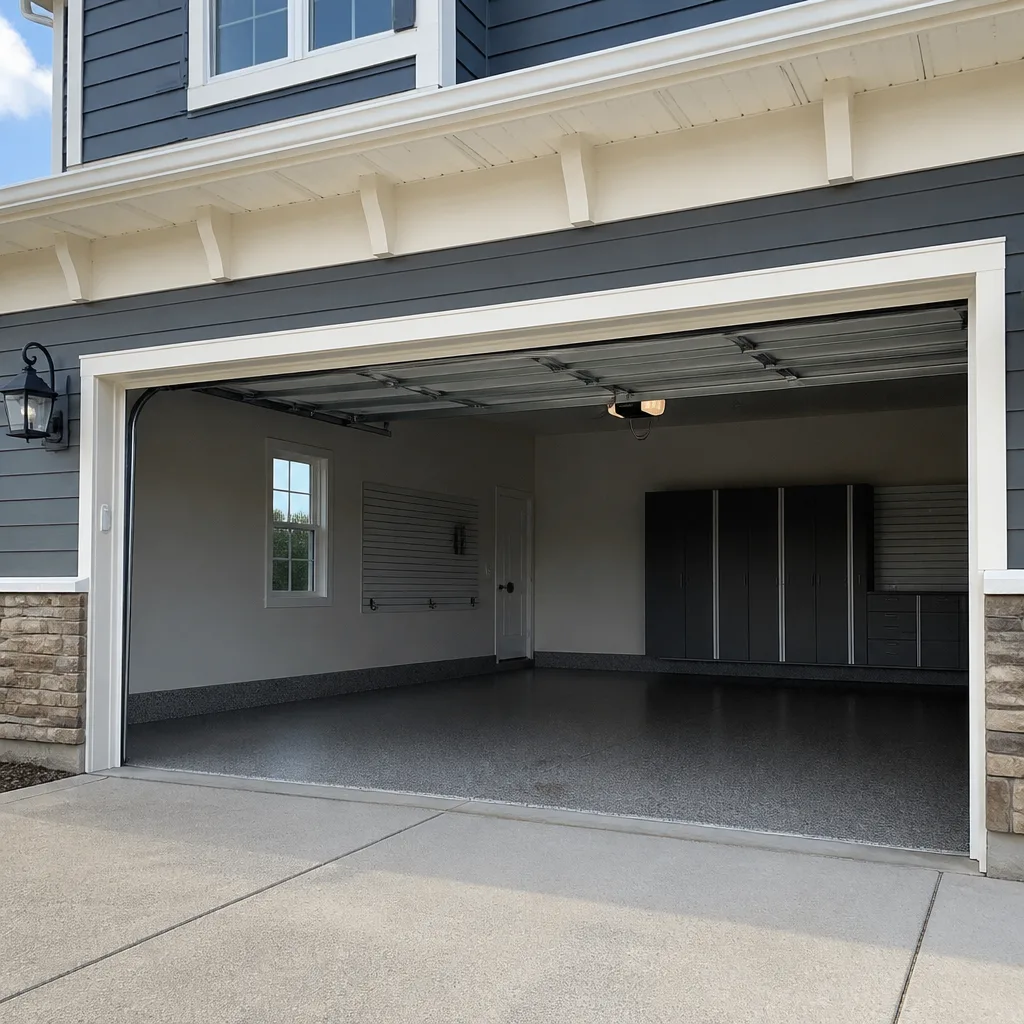
 LiftMaster openers
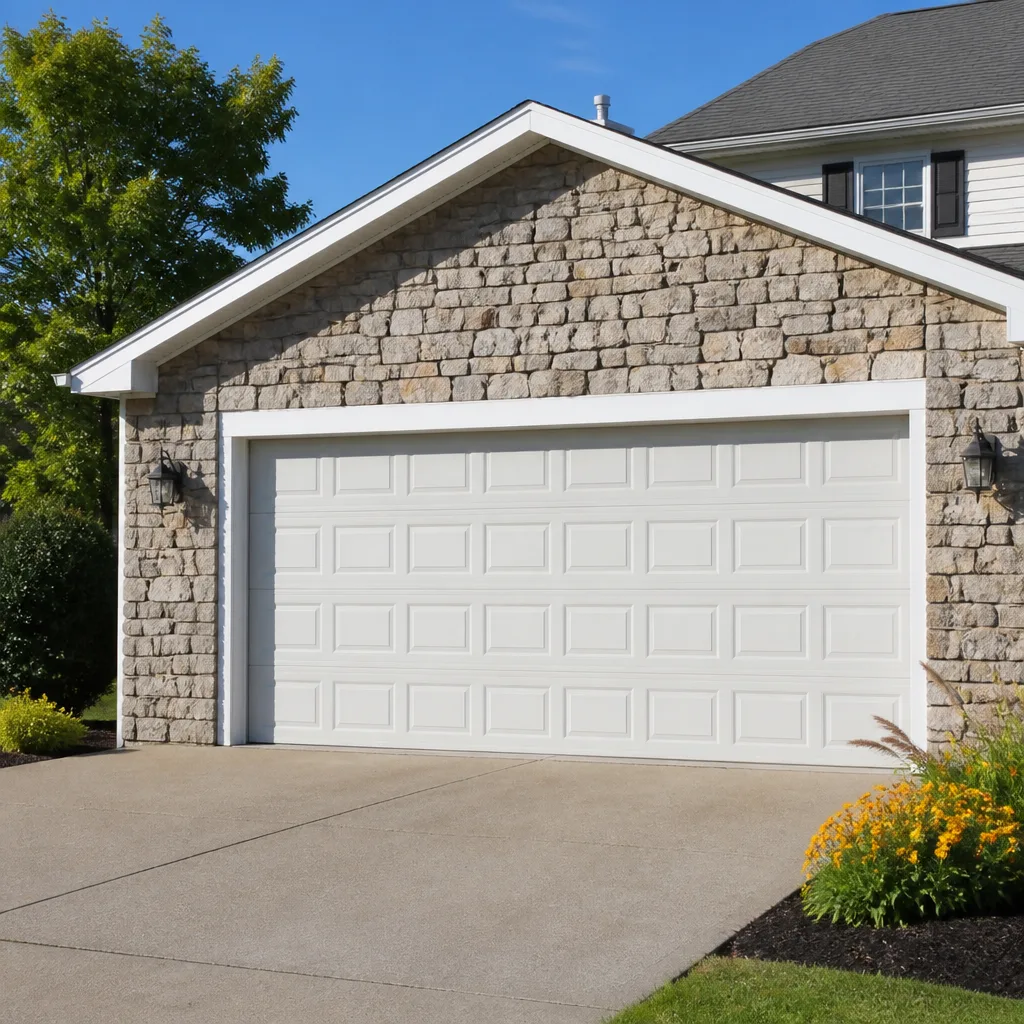 Raised-panel steel
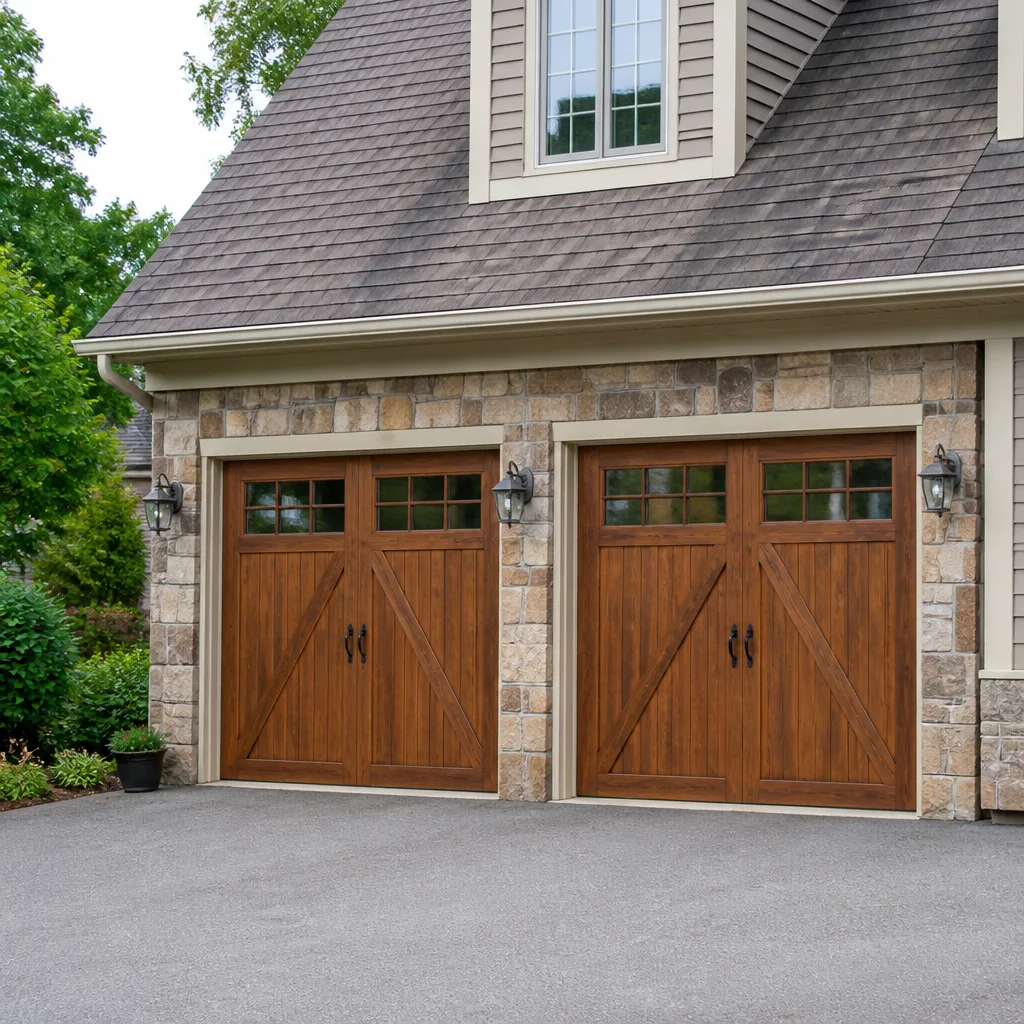 Carriage house
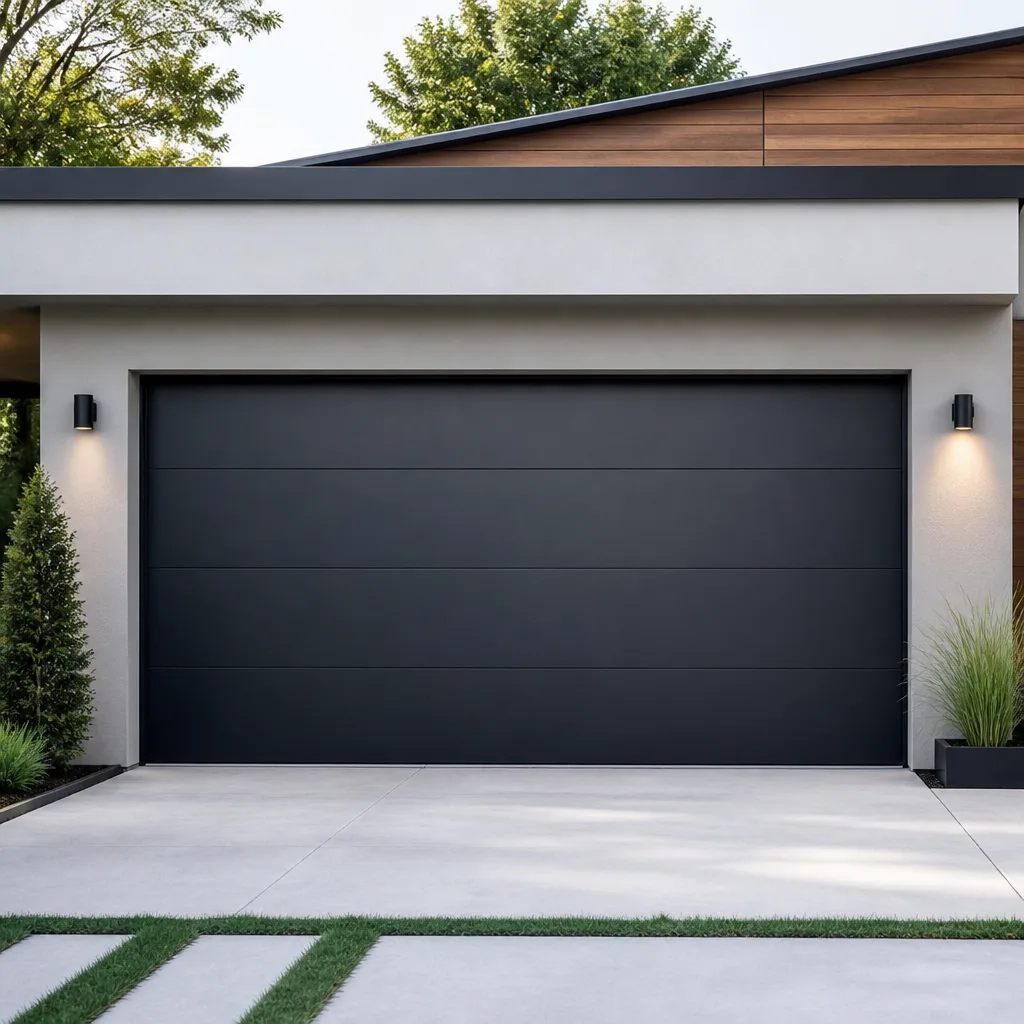 Modern flush
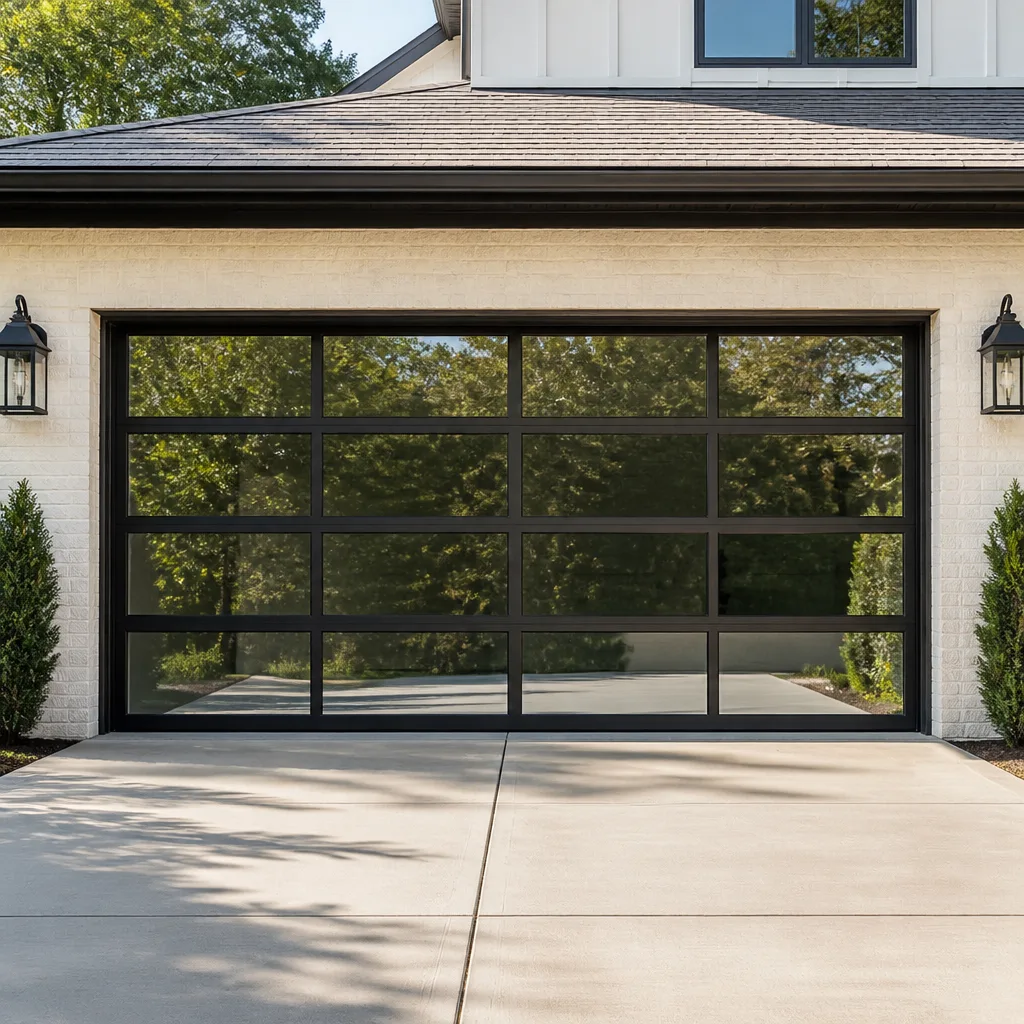 Full-view glass
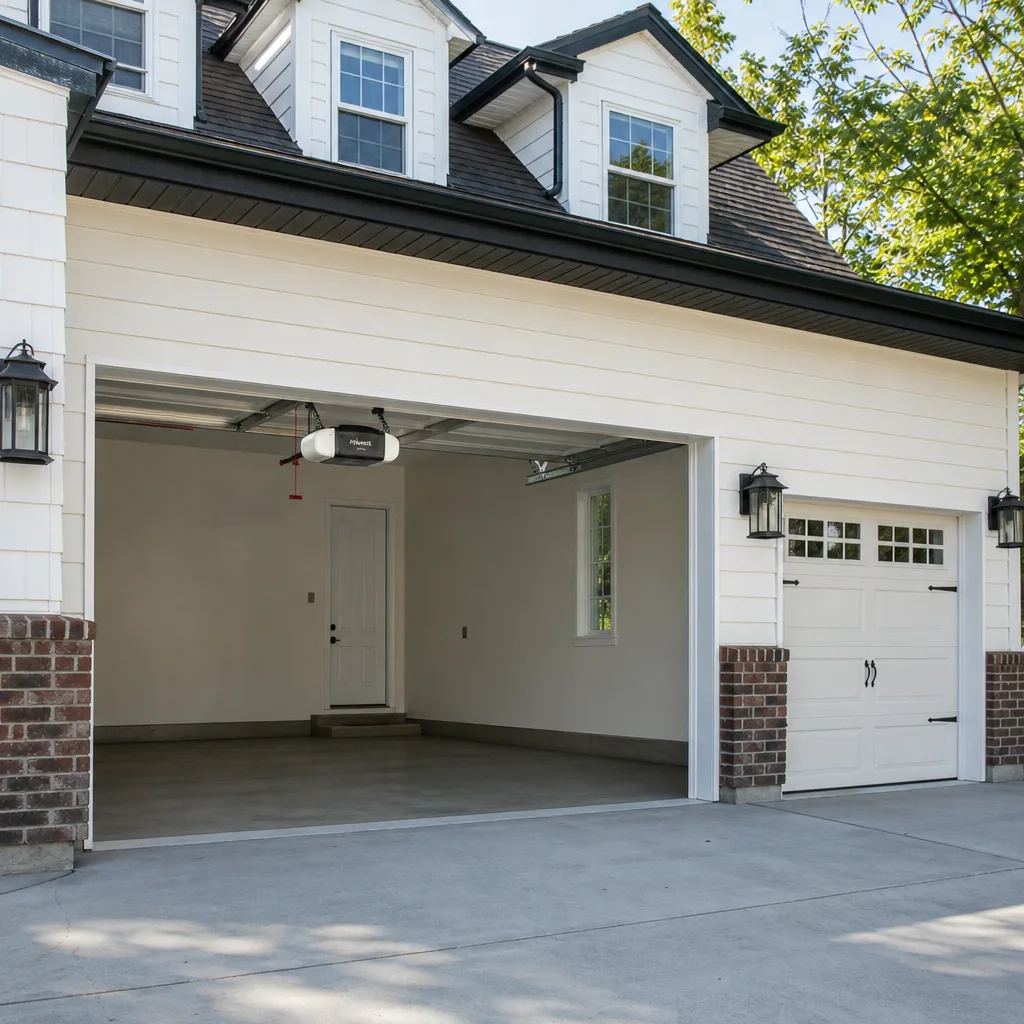 Chamberlain openers
Full 25-point door and opener safety check with every visit - springs, cables, rollers, tracks, and your LiftMaster or Chamberlain opener included
You get a price before we start. It does not change when the truck arrives.
Get your free estimateLiftMaster Roller Replacement: The Ventura Owner’s Guide
If your LiftMaster garage door sounds like it’s dragging gravel across concrete, the rollers are almost always the culprit. We stock and install LiftMaster-compatible rollers in Ventura every week, with typical installed replacement running $110 to $220 depending on how many rollers your door uses and whether you want nylon, steel, or the newer sealed-bearing style. We carry the rollers on the truck, so in most cases we’re done the same day you call.
The way most Ventura homeowners discover this problem is a slow, progressive one. The door gets louder over a few months. Then it starts to hesitate or jerk on the way up. By the time a roller shaft wears through or a bearing seizes, the door won’t move smoothly at all, and you can actually see the wheel wobbling in the track as it travels. That’s the point where continuing to run the opener isn’t doing your LiftMaster motor any favors.
Which LiftMaster Models This Applies To
LiftMaster doesn’t make their own rollers. The door panels, tracks, and rollers come from whichever door manufacturer the opener was paired with, which is why roller replacement is about door compatibility, not opener model number. If you have a LiftMaster opener, the rollers we replace are typically on doors from Clopay, Amarr, Wayne Dalton, or CHI, and the same roller specs apply whether your opener is a chain drive, belt drive, or wall-mount LiftMaster model.
What actually matters is roller diameter, stem length, and stem style. Standard residential garage door rollers are either 1-inch or 2-inch diameter, with a 4-inch stem for 1-inch rollers and a 7-inch stem for 2-inch rollers. Most modern Ventura homes use 2-inch rollers with sealed bearings, but older doors from the 1980s and 1990s often have 1-inch rollers that ride on bare steel shafts. If you pull a roller out and the wheel is plastic with no visible bearing, that’s an OEM or aftermarket nylon roller from an older install. We match the replacement to your existing track exactly, because putting a 2-inch roller in a track designed for 1-inch will bind every time.
For LiftMaster specifically, there’s no factory roller to preserve, so the OEM-versus-aftermarket decision is simpler than with openers or wall panels. We recommend a quality sealed-bearing nylon roller regardless of brand: it runs quieter, lasts longer in coastal air, and doesn’t corrode the way bare steel does within a few seasons of salt-laden wind coming off the Ventura Harbor. We also stock Chamberlain and Genie rollers for mixed-system garages, but 95% of what we install is universal-spec sealed-bearing hardware.
Styles & brands we work with
Signs Your LiftMaster Roller Replacement Is Failing
- Grinding or scraping noise during travel. The roller bearing has lost its grease and the ball bearings inside are scoring the race. This sound gets worse as the door moves because load shifts from roller to roller across the track curve.
- Door jerks or stutters on the way up. One seized roller acts like a brake pad on that side. The opener motor compensates, but you’ll see the panel lean slightly toward the bad side as it climbs.
- Visible wobble or a roller riding off-center in the track. Stand at eye level with a roller and watch it travel. If the wheel isn’t centered on the track edge and the stem is oscillating, the bearing is shot and the wheel is catching intermittently.
- Metal shavings or dark dust below the track ends. That’s bearing metal and roller material being ground away every time the door cycles. Left long enough, the roller wheel can wear down to a smaller effective diameter and actually climb out of the track.
- Door is suddenly much harder to lift manually. Disconnect the opener and try lifting by hand. If it fights you on one side only, the problem is usually a seized roller or a compromised track section, not the spring system.
See the difference
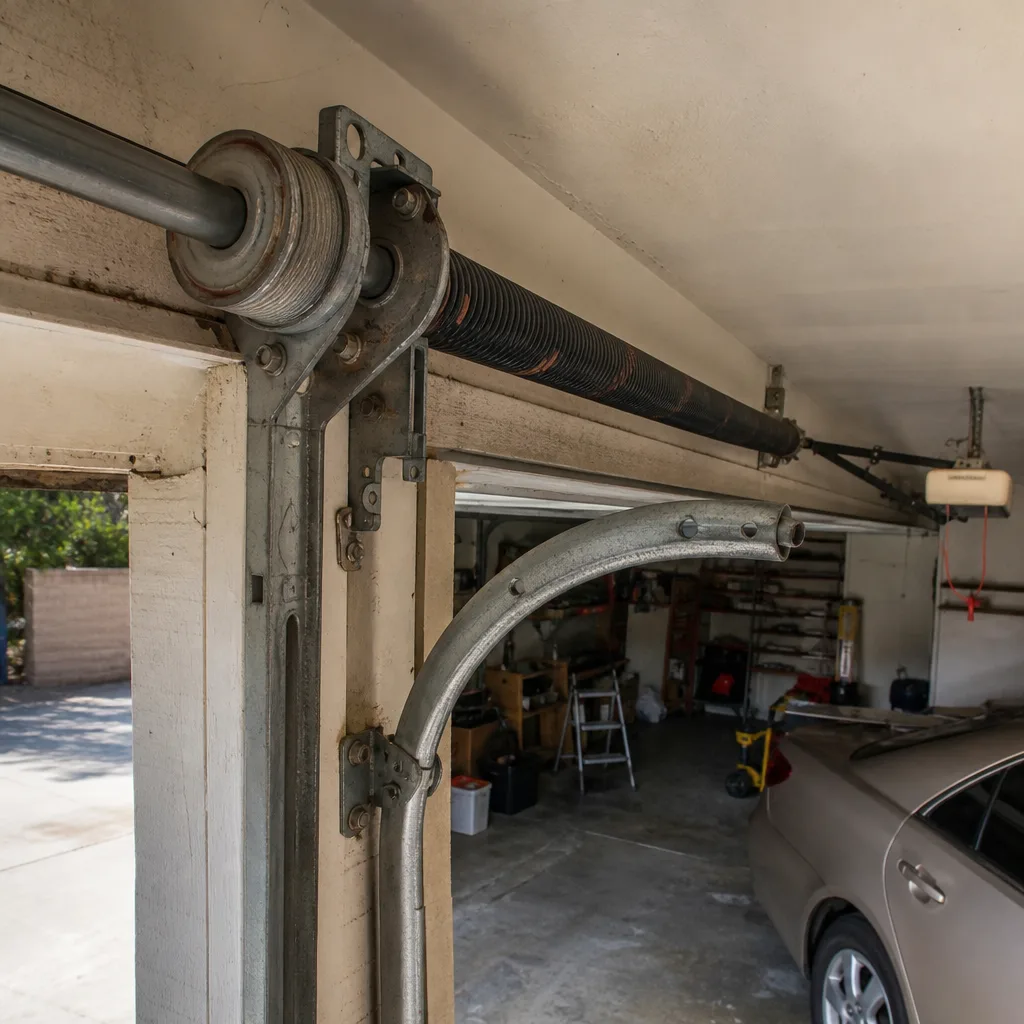 Before
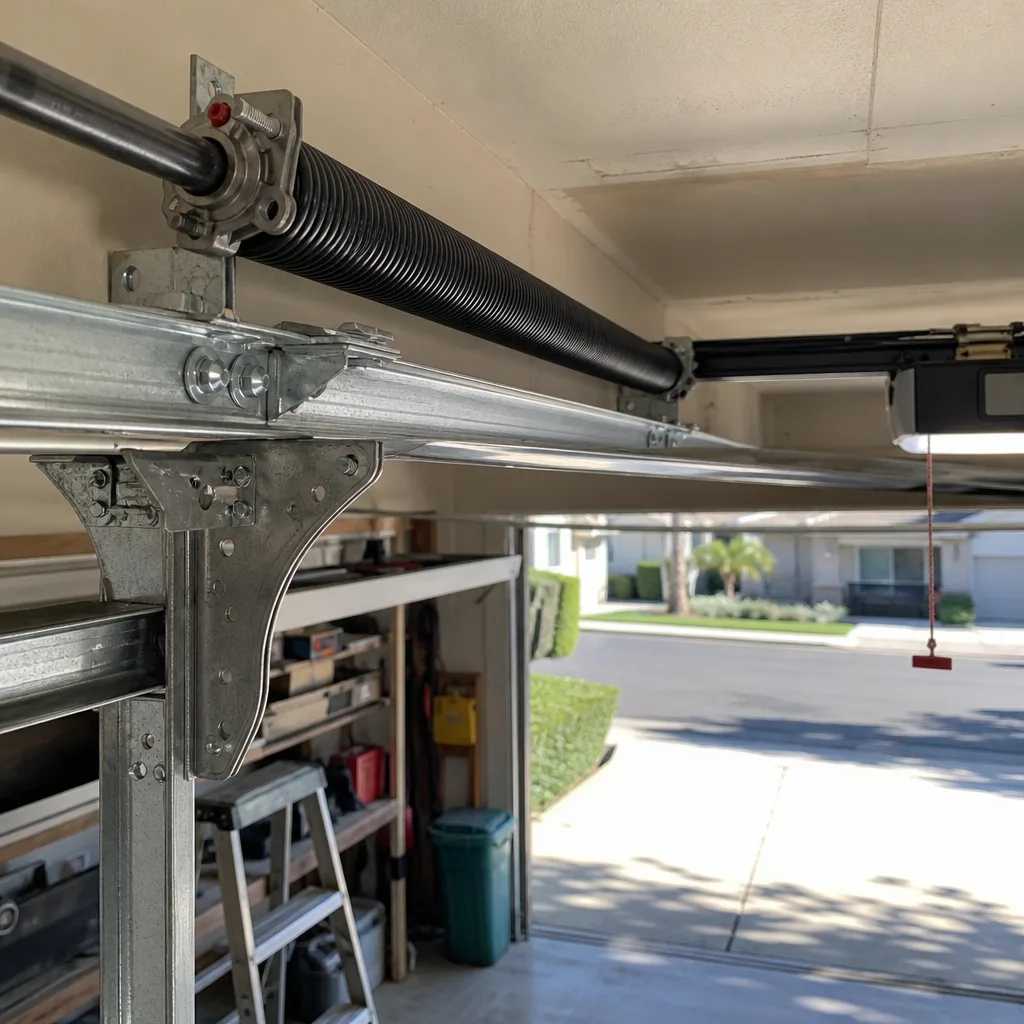 After
After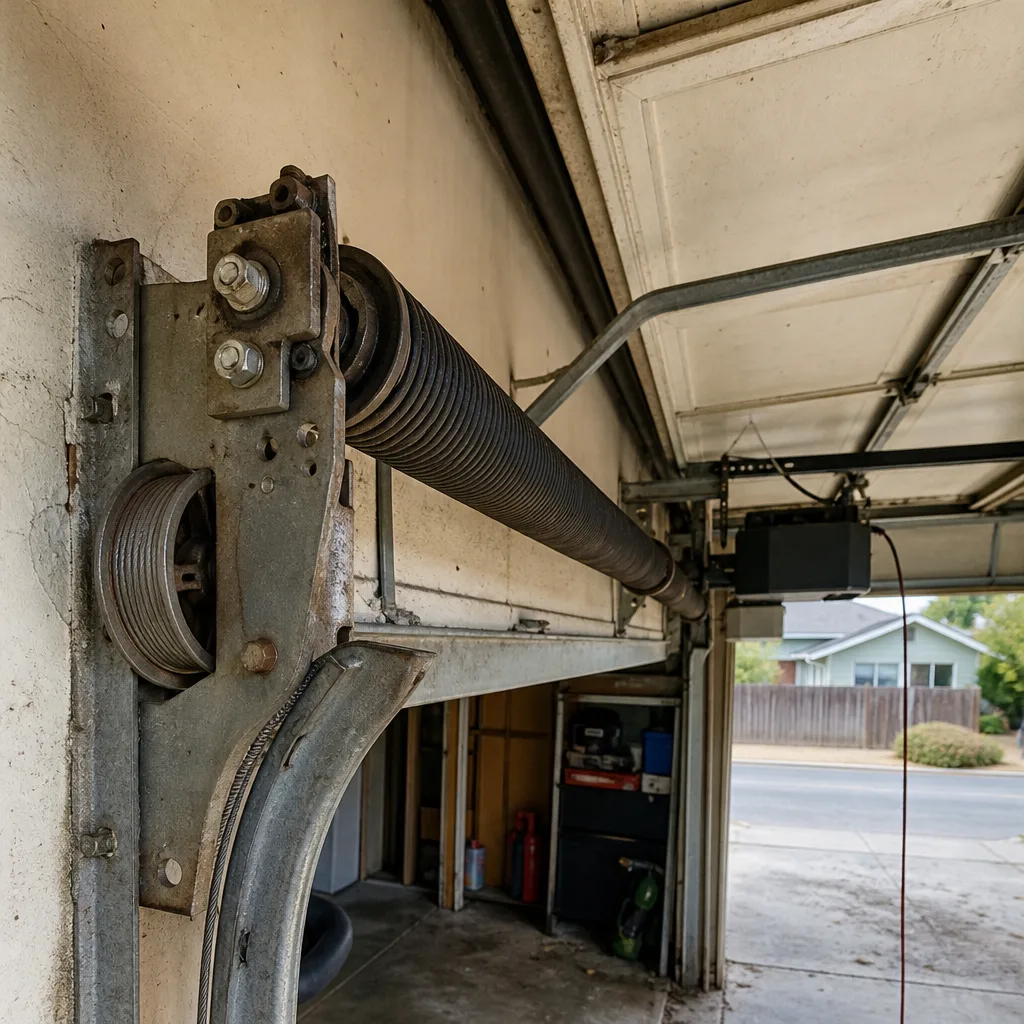 Before
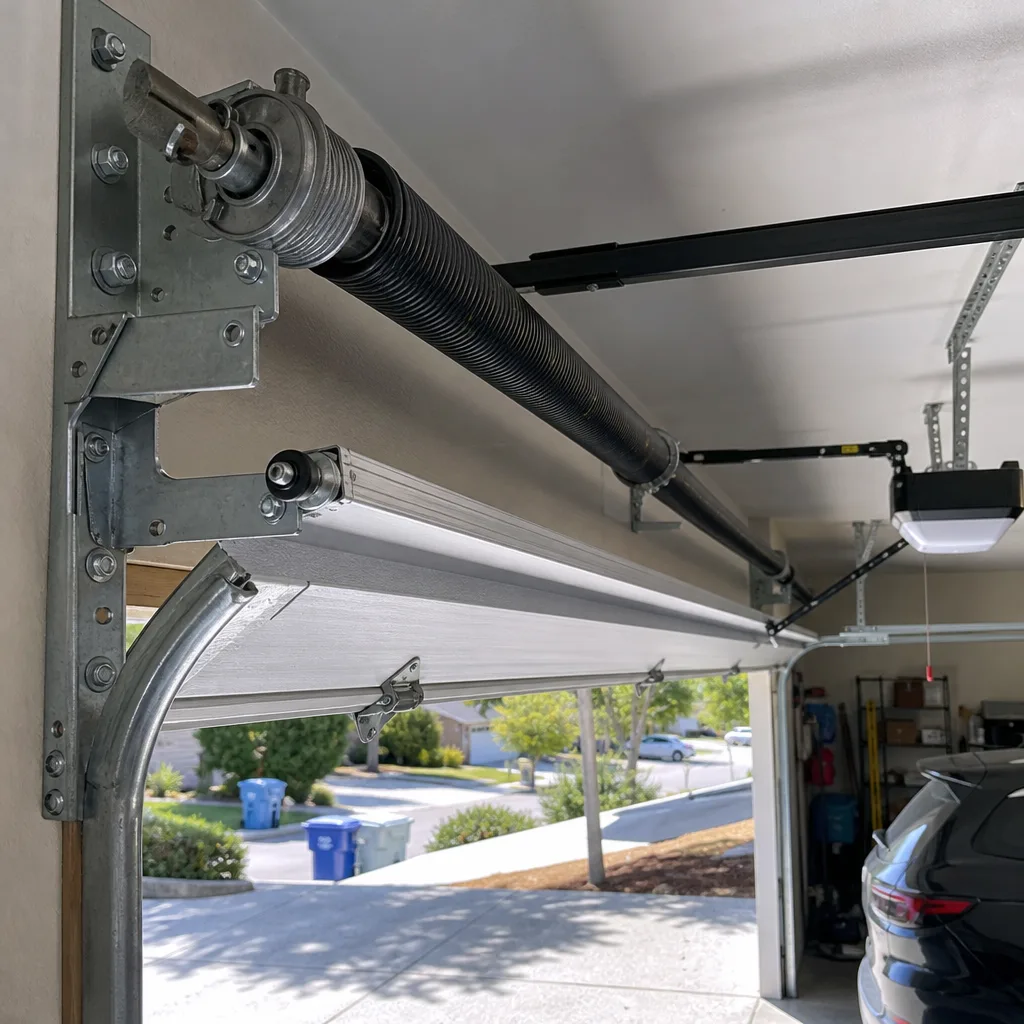 After
After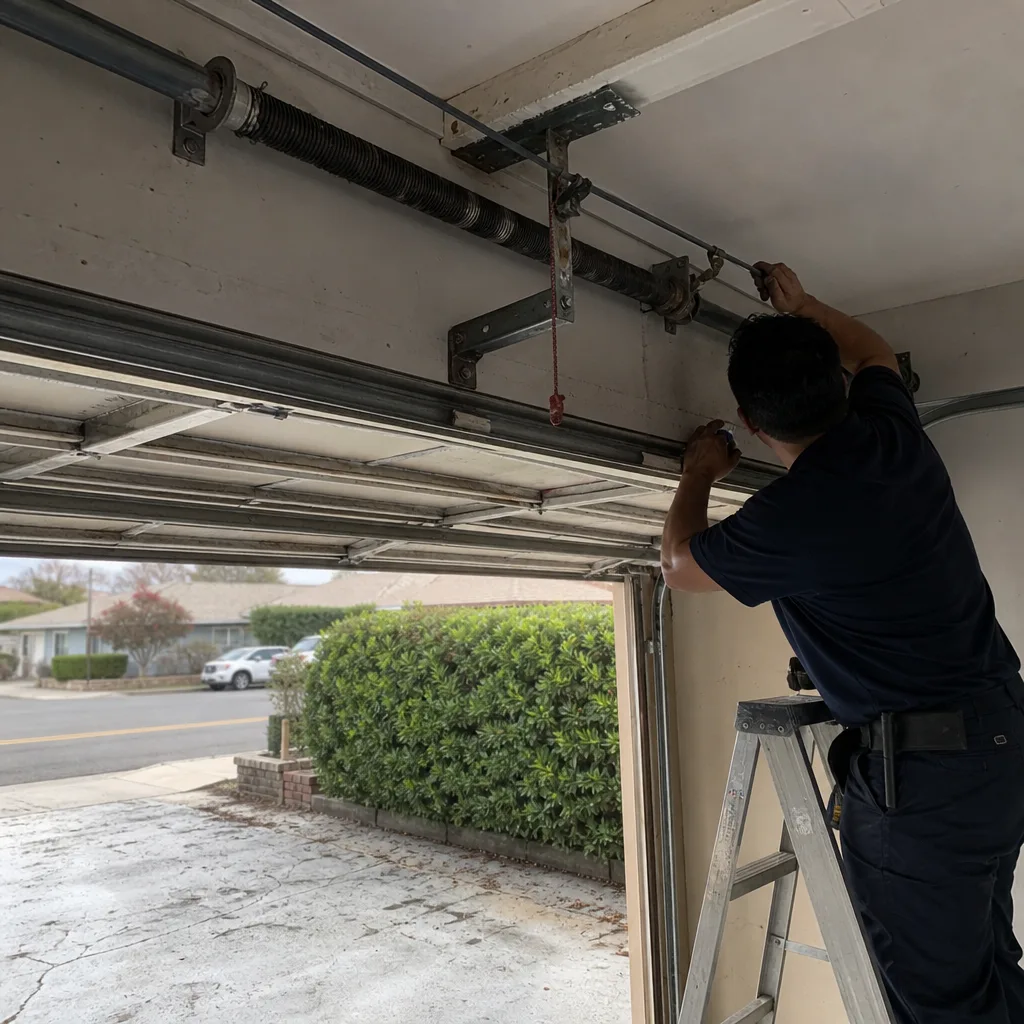 Before
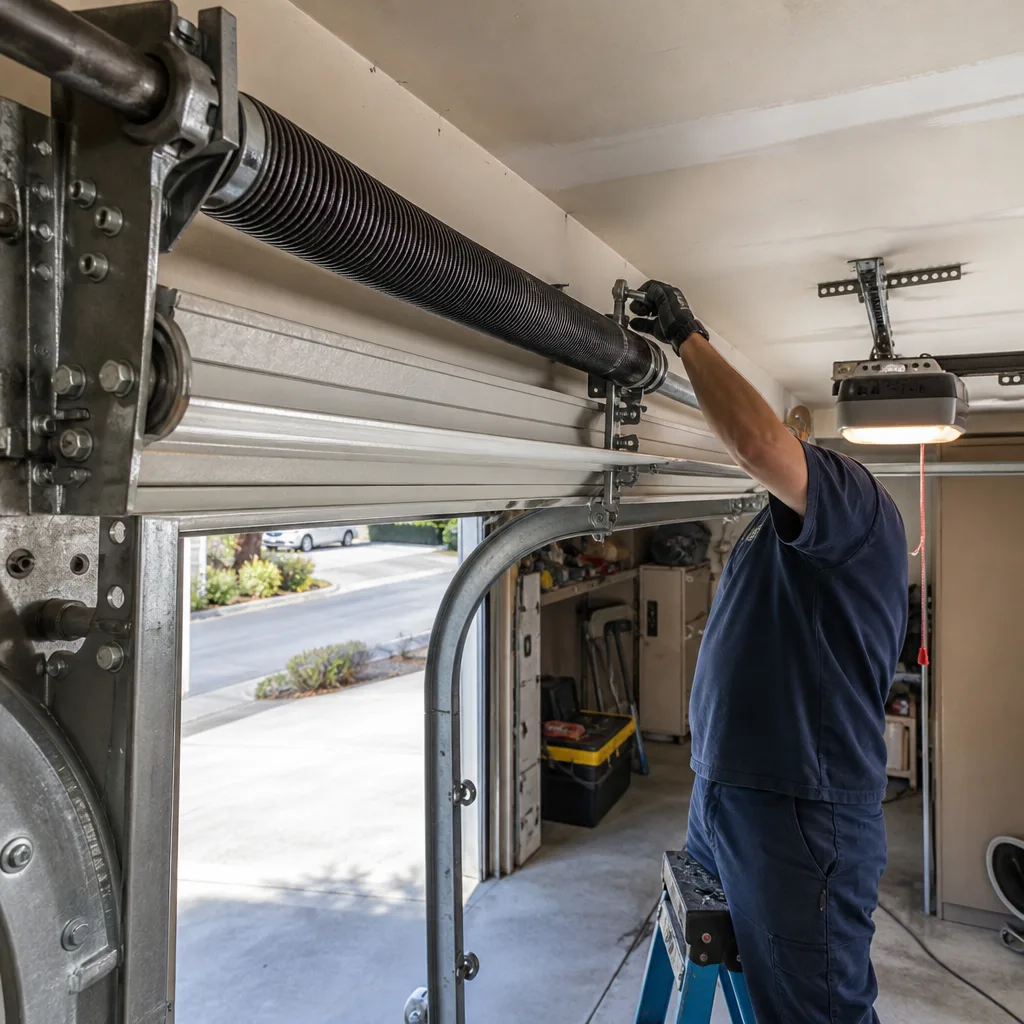 After
AfterReplacement Cost & What’s Included
In Ventura, roller replacement runs $110 to $220 installed for a standard two-car garage door with ten to twelve rollers. The price includes the rollers themselves, removal of the old ones, a quick check of the track and hinge alignment, and re-lubrication of the bearing stems so everything moves freely.
What changes the price: the number of panels on your door (a 4-panel door has 8 rollers, a 5-panel door has 10 to 12), whether you need 1-inch or 2-inch rollers, and whether any hinges are cracked and need replacing while we’re in there. Hinge work is a separate line item we’ll show you before we start, and every dollar gets written down and handed to you in an itemized quote before a single bolt gets turned. Our written 365-day guarantee covers the roller replacement: if anything fails within a year from the date of repair, we come back and make it right at no charge.
DIY or Call Us?
I’ll be straight with you: replacing garage door rollers is deceptively accessible, and that’s what gets people hurt. The rollers toward the bottom of the door and the bottom corner brackets are under constant tension from the torsion spring, the large coil mounted above the door that does most of the lifting. If you unbolt a bottom bracket to slide a roller out without releasing the spring properly, that bracket becomes a missile. Aaron Teague has spent nearly two decades working on garage doors from the spring drum to the bottom seal, and he’ll tell you the same thing: never remove a bottom roller or corner bracket yourself.
What you can safely check is the noise and wobble. Watch each roller as the door travels and note which ones are visibly bad. But the swap itself, especially on the bottom row, is a job for someone who does this daily and carries the right sized rollers on the truck. Call us at (559) 239-8293 and tell us how many doors you have and what year the door was installed. We’ll bring the right rollers and have it done same day in most cases.
FAQs
Standard nylon or steel rollers last 7 to 10 years in Ventura’s coastal climate, often less if the garage faces the ocean and gets salt air. Sealed-bearing rollers can go 15 years or more. If your door predates 2015 and the rollers have never been changed, you’re on borrowed time. Call (559) 239-8293 for an exact quote, estimates are free.
No, and you wouldn’t want to. The failure is inside the bearing, and once the seal breaks and the grease is gone, the bearing race is scored and can’t be rebuilt for less than a new roller costs. Replacement is the only repair that makes sense.
For a standard two-car door with 10 to 12 rollers, we’re typically done in 45 to 75 minutes including a track alignment check and lubrication. We carry the rollers on the truck, so there’s no parts run. Call (559) 239-8293 and we’ll give you a window.
Yes. We carry 1-inch and 2-inch sealed-bearing nylon rollers on every truck, along with Chamberlain and Genie compatible stock for older or mixed-system garages. The only variability is a door that needs an odd stem length, which we can source within a day from our Ventura supplier. Written price before any work starts, every time.
If your LiftMaster door is grinding, wobbling, or getting harder to lift, call Doyle Garage Doors Ventura at (559) 239-8293. Tell you what’s broken, tell you what it costs, show up when we said we would, that’s the whole job. We’ll send you a tech’s name and photo before we arrive, so you know exactly who’s walking up your driveway, and we’ll hand you a written quote before any work begins.
Written by Aaron Teague, Owner, Doyle Garage Doors Ventura at Doyle Garage Doors Ventura, serving Ventura and nearby areas.